Đang tải…
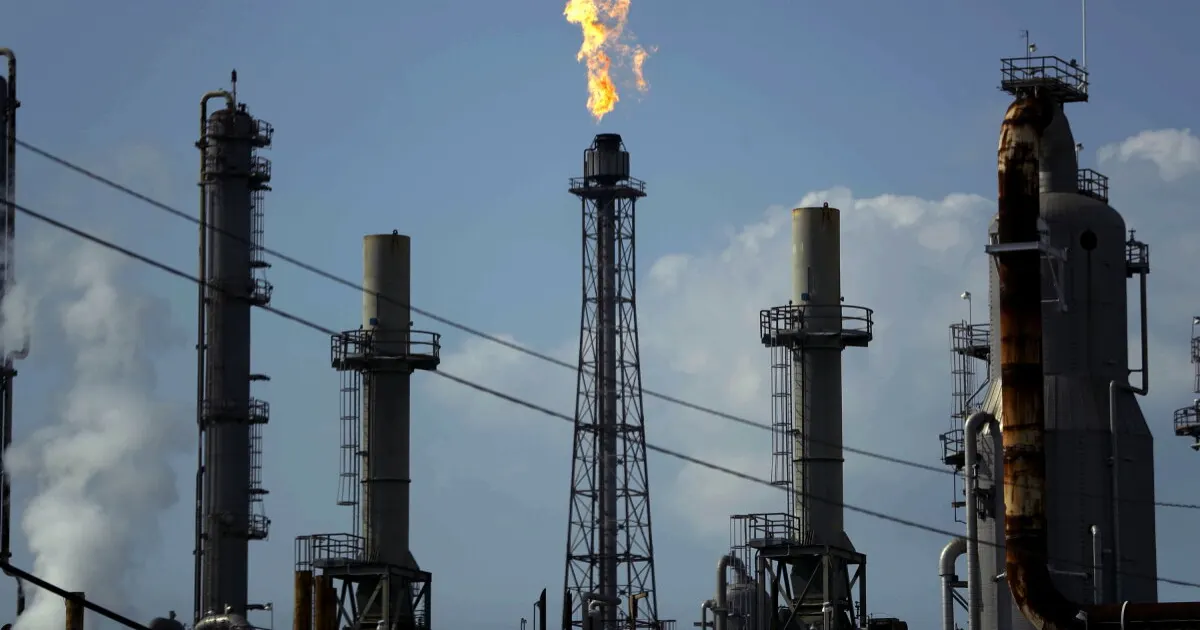
Oil markets melted down as coronavirus outbreaks cut travel and transport, sharply reducing fuel demand; Brent had fallen from $69 at the start of the year to about $50. OPEC and non-member countries then failed to agree on a proposed production cut of 1.5 million barrels a day.
Combined demand destruction and a failed supply cut point to a glut, keeping crude and related energy prices under downward pressure and weighing on biofuel-linked feed inputs.
 apnews.comDAVID McHUGH9 thg 3, 2020
Sau 250 sự kiện địa chính trị giảm giá trước đây, Dầu thô (Brent) biến động trung vị -3,1% trong 5 phiên (tăng 36%; nửa giữa từ -7,9% đến +1,6%), và -5,5% trong 20 phiên.
Sau 255 sự kiện địa chính trị giảm giá trước đây, Dầu thô (WTI) biến động trung vị -2,4% trong 5 phiên (tăng 31%; nửa giữa từ -7,0% đến +1,7%), và -5,0% trong 20 phiên.
Sau 28 sự kiện địa chính trị giảm giá trước đây, Dầu đậu tương biến động trung vị -2,7% trong 5 phiên (tăng 21%; nửa giữa từ -8,3% đến -0,7%), và -2,1% trong 20 phiên.
Biến động benchmark của từng hàng hóa so với giá đóng cửa trước sự kiện. Số liệu lịch sử gộp các sự kiện cùng loại trong quá khứ; chúng mô tả điều đã xảy ra, không phải điều sẽ xảy ra. Không phải tư vấn đầu tư.
It explains the two-sided shock: coronavirus travel curbs cut fuel demand while OPEC+ failed to agree on a 1.5 mb/d cut.
Explains the demand-side coronavirus shock and the failed OPEC+ agreement on a 1.5 mb/d cut as the combined backdrop for the meltdown.
