Đang tải…
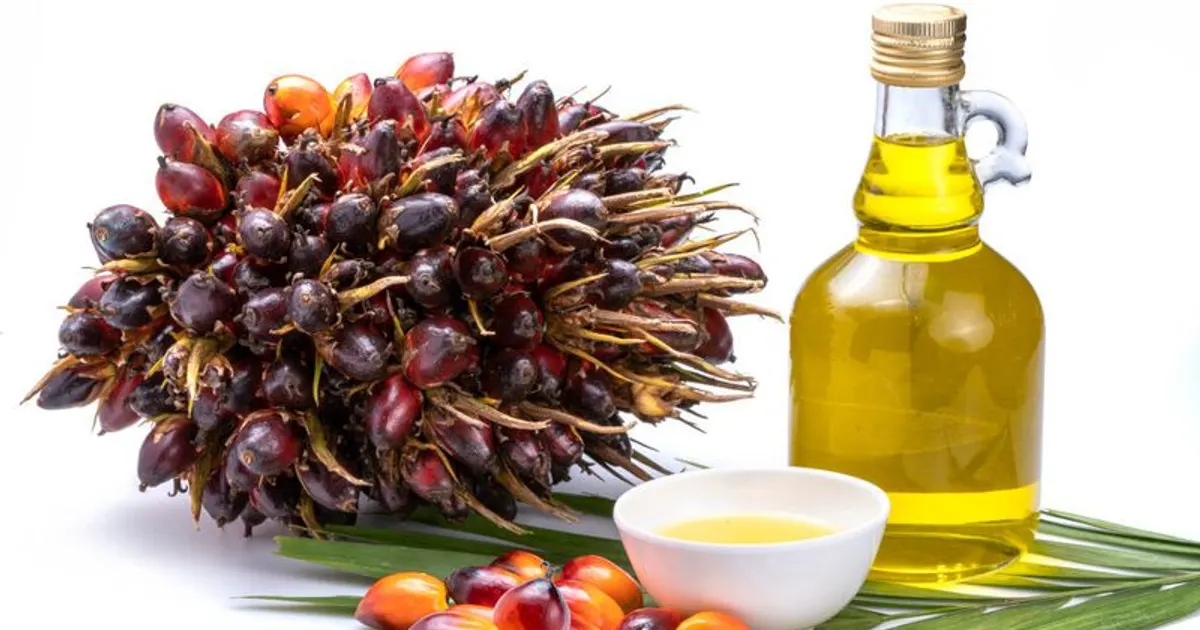
Indonesia tightened its palm oil export quota ratio to 1:4 from 1:6, cutting the amount exporters can ship relative to domestic sales. The trade ministry will also release about 3 million mt of frozen export permits gradually through January 2024, at roughly 336,000 mt per month.
Analysts estimate Indonesian supply could fall about 30% in the near term, which tightens global vegetable oil supply and supports palm and substitute oil prices. The phased release of held-back permits limits how far the squeeze will run.
 ukragroconsult.com28 thg 4, 2023
Sau 548 sự kiện chính sách tăng giá trước đây, Dầu cọ biến động trung vị +0,4% trong 5 phiên (tăng 61%; nửa giữa từ -0,7% đến +2,1%), và +0,9% trong 20 phiên.
Sau 842 sự kiện chính sách tăng giá trước đây, Dầu đậu tương biến động trung vị +0,2% trong 5 phiên (tăng 52%; nửa giữa từ -1,6% đến +2,1%), và -0,5% trong 20 phiên.
Chưa đủ sự kiện tương tự trong quá khứ để đọc xu hướng lịch sử.
Biến động benchmark của từng hàng hóa so với giá đóng cửa trước sự kiện. Số liệu lịch sử gộp các sự kiện cùng loại trong quá khứ; chúng mô tả điều đã xảy ra, không phải điều sẽ xảy ra. Không phải tư vấn đầu tư.
Indonesia's export quota ratio change and gradual release of about 3 million mt of frozen export permits raised expected export supply.
Indonesia's gradual release of frozen export permits and quota ratio change point to more palm oil supply reaching global markets, which is bearish for competing vegetable oils.
