Đang tải…
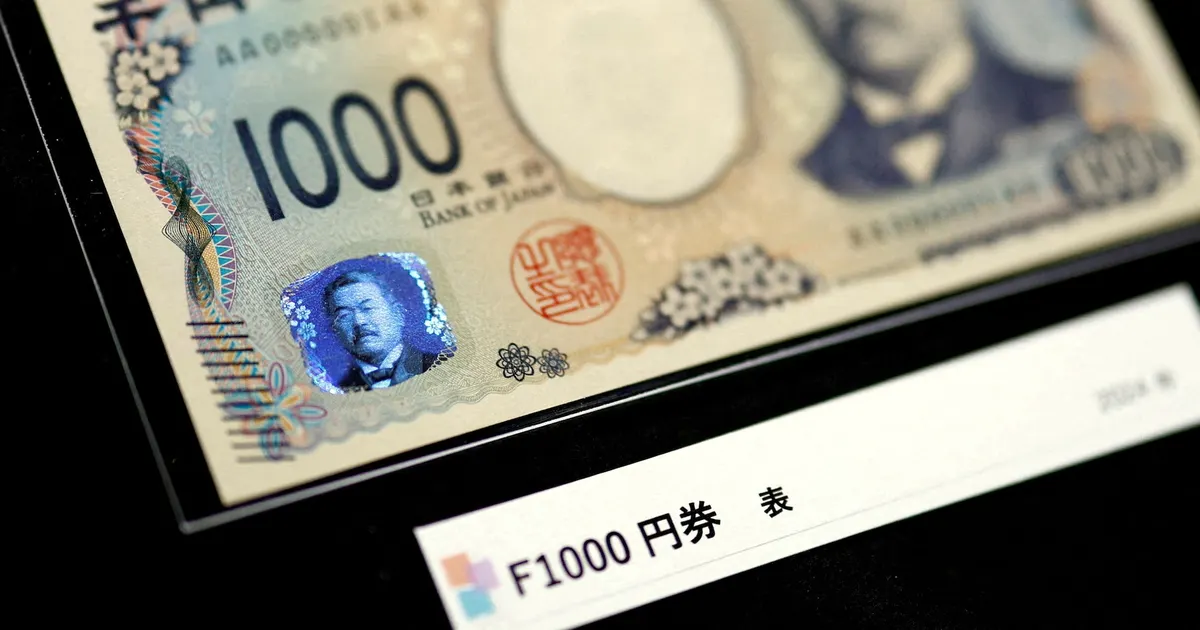
The Japanese yen has fallen 2.4% against the US dollar and 1.4% against the Swiss franc since Israel launched missile attacks on Iranian nuclear and military targets on June 13. Crude oil has spiked since the conflict began, and Japan imports nearly all its oil.
The rise in crude threatens Japan's trade balance and weakens the yen's usual safe-haven appeal.
Higher crude raises Japan's import bill and weakens the yen, which lifts USD/JPY and adds cost pressure for Japanese feed and energy buyers. The effect on Japanese exporters' earnings may be short-lived because energy costs rise.
 reuters.comKevin Buckland23 thg 6, 2025
Chưa đủ sự kiện tương tự trong quá khứ để đọc xu hướng lịch sử.
Sau 323 sự kiện vĩ mô tăng giá trước đây, Dầu thô (Brent) biến động trung vị +0,7% trong 5 phiên (tăng 58%; nửa giữa từ -2,9% đến +3,7%), và +1,3% trong 20 phiên.
Biến động benchmark của từng hàng hóa so với giá đóng cửa trước sự kiện. Số liệu lịch sử gộp các sự kiện cùng loại trong quá khứ; chúng mô tả điều đã xảy ra, không phải điều sẽ xảy ra. Không phải tư vấn đầu tư.
