Đang tải…
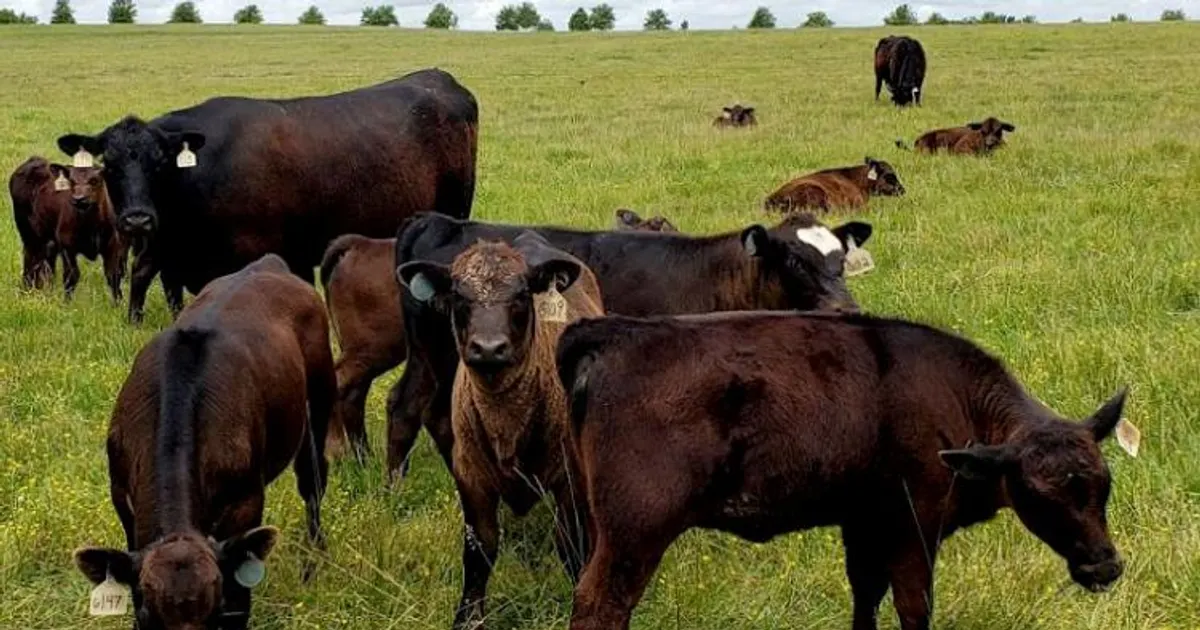
University of Kentucky agricultural economist Kenny Burdine said COVID-19 demand shocks hit cattle close to harvest hardest, with fed cattle prices falling sharply. CME March feeder cattle futures had dropped nearly $25 per hundredweight from early March through March 16.
Kentucky heavy feeders had held up better, supported by good pasture conditions.
Lower fed and feeder cattle values reduce the cost of finishing rations for feeders and signal weaker near-term cattle demand for feed. Pasture conditions limit supply impact in the short run.
 lanereport.comKevin O. Stinnett17 thg 3, 2020
Sau 70 sự kiện dịch bệnh giảm giá trước đây, Bò thịt hơi biến động trung vị +0,0% trong 5 phiên (tăng 51%; nửa giữa từ -1,7% đến +1,0%), và +0,4% trong 20 phiên.
Sau 46 sự kiện dịch bệnh giảm giá trước đây, Bò giống (feeder) biến động trung vị +0,3% trong 5 phiên (tăng 54%; nửa giữa từ -2,3% đến +1,6%), và +1,8% trong 20 phiên.
Biến động benchmark của từng hàng hóa so với giá đóng cửa trước sự kiện. Số liệu lịch sử gộp các sự kiện cùng loại trong quá khứ; chúng mô tả điều đã xảy ra, không phải điều sẽ xảy ra. Không phải tư vấn đầu tư.
Notes March feeder futures fell nearly $25/cwt through March 16 on COVID-19 demand shocks, giving context for the continued selloff on the move date.
Notes March feeder futures down nearly $25/cwt from early March through March 16, corroborating the magnitude, though it extends beyond the window.
