Đang tải…
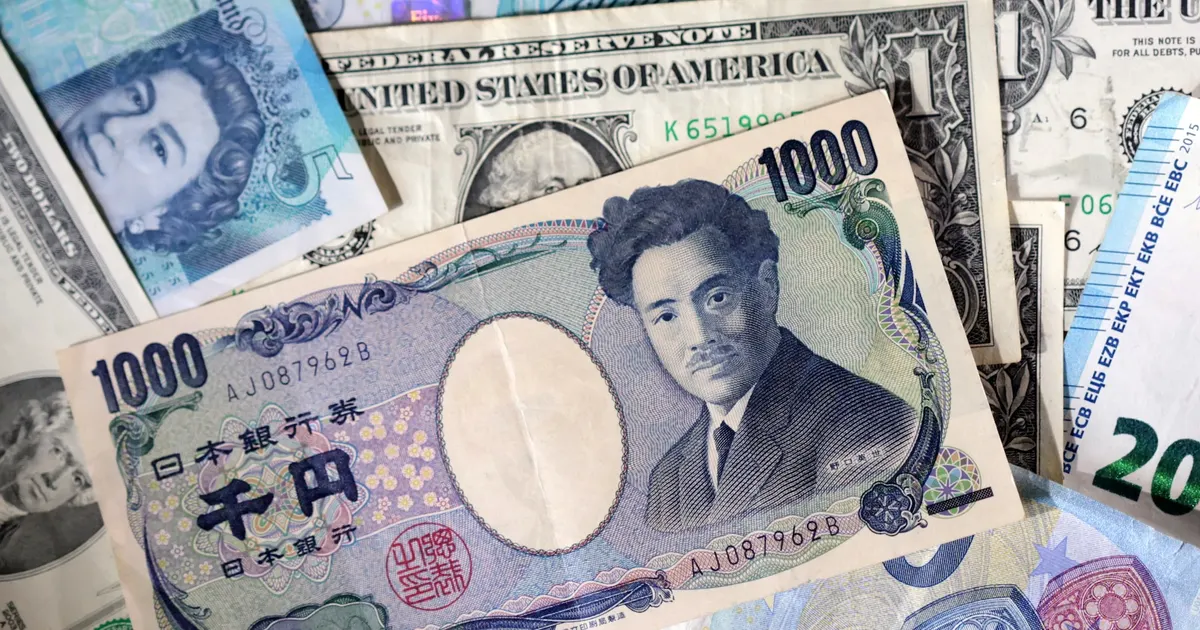
The euro and yen fell on Monday as higher oil prices weighed on currencies of countries most exposed to energy shortages. The dollar gained from a safe-haven bid tied to conflict in the Middle East.
Energy importers' currencies weaken when oil rises, which raises import costs for feed-importing economies and can shift feed purchasing power. A firmer dollar also makes dollar-priced commodities more expensive for buyers outside the US.
 reuters.comKaren Brettell1 thg 3, 2026
Sau 656 sự kiện địa chính trị tăng giá trước đây, Dầu thô (Brent) biến động trung vị +1,9% trong 5 phiên (tăng 63%; nửa giữa từ -2,7% đến +6,6%), và +0,7% trong 20 phiên.
Sau 36 sự kiện địa chính trị giảm giá trước đây, Euro (USD trên EUR) biến động trung vị -1,0% trong 5 phiên (tăng 22%; nửa giữa từ -1,8% đến -0,3%), và -0,7% trong 20 phiên.
Sau 89 sự kiện địa chính trị tăng giá trước đây, Đô la Mỹ (diện rộng) biến động trung vị +0,5% trong 5 phiên (tăng 74%; nửa giữa từ -0,0% đến +1,0%), và +0,3% trong 20 phiên.
Biến động benchmark của từng hàng hóa so với giá đóng cửa trước sự kiện. Số liệu lịch sử gộp các sự kiện cùng loại trong quá khứ; chúng mô tả điều đã xảy ra, không phải điều sẽ xảy ra. Không phải tư vấn đầu tư.
Euro fell as higher oil prices from Middle East escalation hit energy-importing currencies while the dollar gained safe-haven demand, directly matching the 1-day move.
The euro and yen fell against the dollar on higher oil prices and a safe-haven bid, which are major components of the broad dollar index move.
