Đang tải…
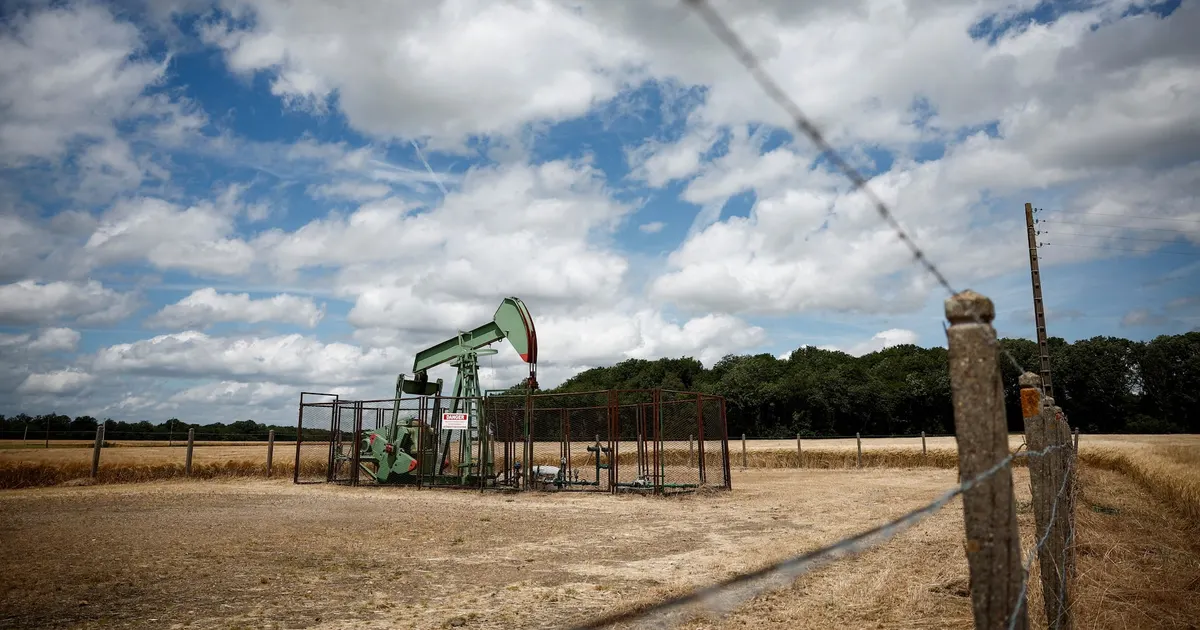
Brent crude settled at $74.23 a barrel, up 7.02%, on June 13 after Israel and Iran traded air strikes. Brent briefly rose over 13% to an intraday high of $78.50, its strongest level since January.
Investors feared the fighting could disrupt Middle East oil exports.
Fears of lost Middle East crude supply lift crude prices, which raises diesel and fuel costs for feed mills and transport. Higher crude also supports biofuel feedstock values, which can spill over into vegetable oil and corn prices.
 reuters.comErwin Seba13 thg 6, 2025
Sau 656 sự kiện địa chính trị tăng giá trước đây, Dầu thô (Brent) biến động trung vị +1,9% trong 5 phiên (tăng 63%; nửa giữa từ -2,7% đến +6,6%), và +0,7% trong 20 phiên.
Sau 626 sự kiện địa chính trị tăng giá trước đây, Dầu thô (WTI) biến động trung vị +2,1% trong 5 phiên (tăng 62%; nửa giữa từ -2,3% đến +8,5%), và +1,6% trong 20 phiên.
Biến động benchmark của từng hàng hóa so với giá đóng cửa trước sự kiện. Số liệu lịch sử gộp các sự kiện cùng loại trong quá khứ; chúng mô tả điều đã xảy ra, không phải điều sẽ xảy ra. Không phải tư vấn đầu tư.
Brent settled up 7% on June 13 (intraday +13%) after Israel-Iran air strikes, the main driver of the 5-day gain via Middle East supply-risk premium.
Brent settled up about 7% on June 13 as Israel and Iran traded strikes, which directly explains the move through Middle East supply-risk sentiment.
Brent settled up 7% at $74.23 after Israel and Iran traded strikes, with an intraday spike above 13%, which accounts for most of the weekly gain.
Brent settled up 7% as Israel and Iran traded strikes, reflecting fears of Middle East export disruption that lifted WTI in step.
