Đang tải…
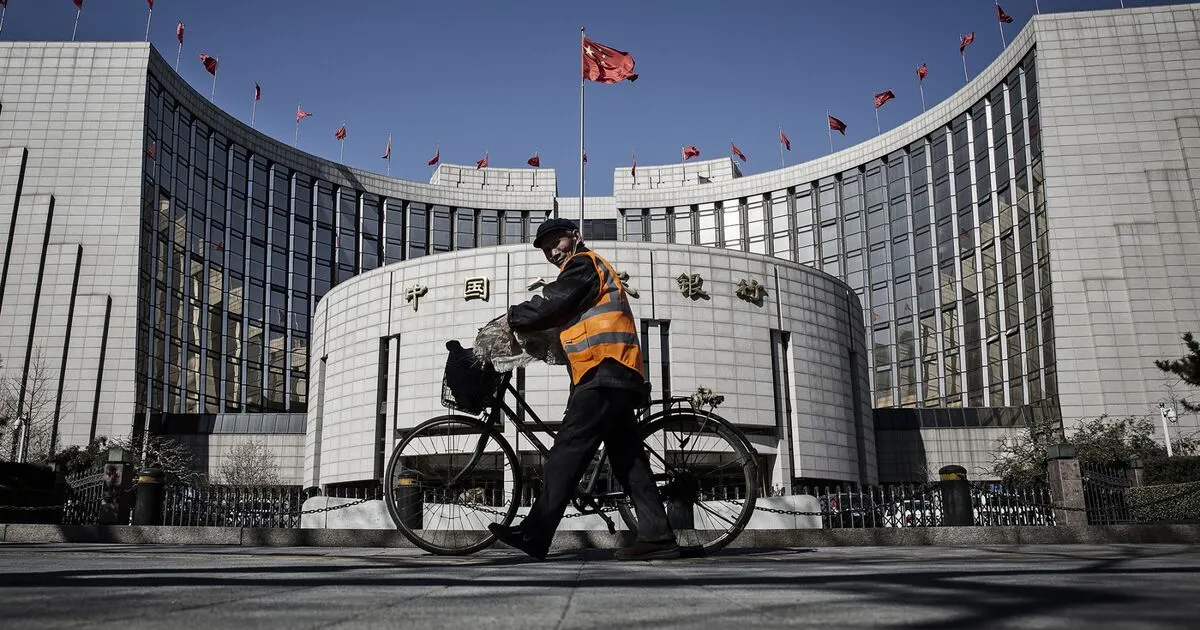
According to Goldman Sachs, China's central bank changed its yuan fixing mechanism after the US presidential election to support a stronger currency. The move was made as capital outflows grew and President-elect Trump threatened protectionist trade policies.
A deliberate change in fixing practice signals state intervention to stabilize the yuan, which reduces the odds of a sharp devaluation that would hit Chinese import demand. Trade-policy threats also keep US-China export flows uncertain.
 bloomberg.comYe Xie9 thg 1, 2017
Sau 50 sự kiện chính sách giảm giá trước đây, Nhân dân tệ (CNY trên USD) biến động trung vị -0,1% trong 5 phiên (tăng 46%; nửa giữa từ -0,4% đến +0,4%), và -0,0% trong 20 phiên.
Biến động benchmark của từng hàng hóa so với giá đóng cửa trước sự kiện. Số liệu lịch sử gộp các sự kiện cùng loại trong quá khứ; chúng mô tả điều đã xảy ra, không phải điều sẽ xảy ra. Không phải tư vấn đầu tư.
Goldman noted the PBOC fixing mechanism was geared toward a stronger currency, a policy signal that anchored yuan strength.
