Đang tải…
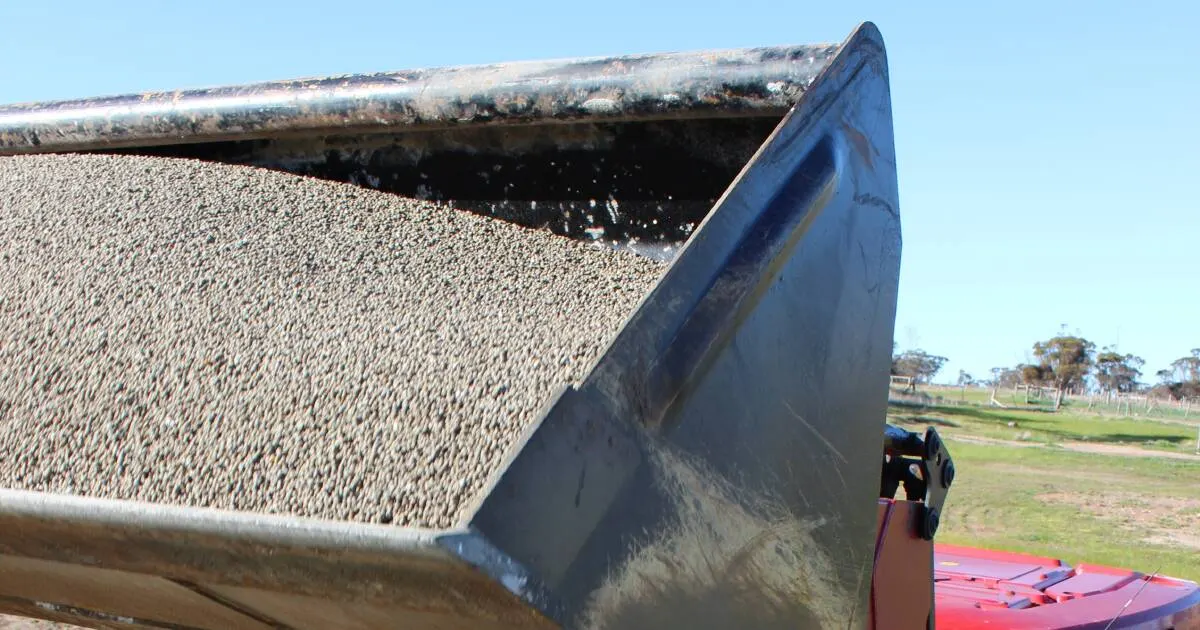
CSBP says nitrogen, phosphate and potash prices are easing from recent highs as China returns to the international market. Chinese suppliers in Indian urea tenders have limited other exporters' ability to push prices higher.
Pakistan and India are also buying urea, with supply expected from the Middle East, Southeast Asia and possibly Russia.
Renewed Chinese export supply and tender competition put downward pressure on urea, and phosphate and potash prices are following. Lower fertilizer costs can ease feed-grain production costs over time.
 farmweekly.com.auShannon Beattie28 thg 10, 2022
Sau 81 sự kiện thương mại giảm giá trước đây, Urê biến động trung vị -1,0% trong 5 phiên (tăng 28%; nửa giữa từ -7,2% đến +0,4%), và -5,5% trong 20 phiên.
Sau 40 sự kiện thương mại giảm giá trước đây, DAP biến động trung vị -0,1% trong 5 phiên (tăng 38%; nửa giữa từ -3,7% đến +0,5%), và -2,4% trong 20 phiên.
Chưa đủ sự kiện tương tự trong quá khứ để đọc xu hướng lịch sử.
Biến động benchmark của từng hàng hóa so với giá đóng cửa trước sự kiện. Số liệu lịch sử gộp các sự kiện cùng loại trong quá khứ; chúng mô tả điều đã xảy ra, không phải điều sẽ xảy ra. Không phải tư vấn đầu tư.
China's return to Indian urea tenders capped other exporters' pricing power and added supply, with buying from Pakistan and India not enough to offset it, so urea prices fell.
China's return to export markets and Chinese suppliers in Indian tenders cap other exporters' pricing power, adding supply-side downward pressure on urea.
