Yükleniyor…
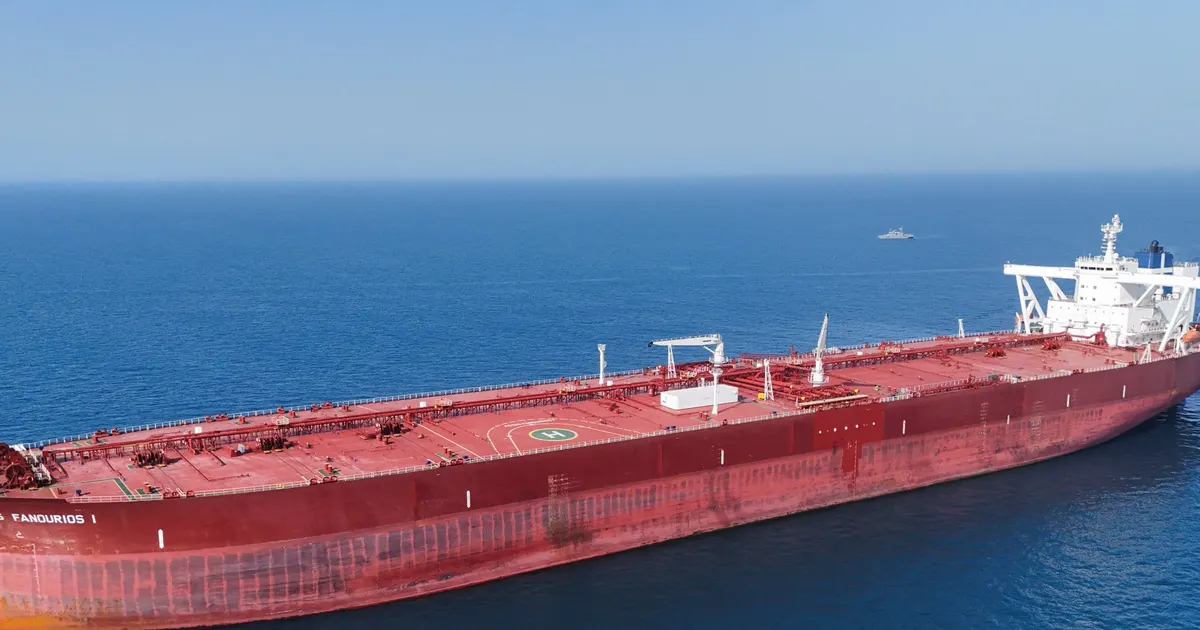
Brent fell more than 9% to $90.38 on Friday after Iran said the Strait of Hormuz was open during a Lebanon ceasefire. On Saturday Iran reversed the decision, saying it would block transit while the US blockade of its ports continued.
Trump said the blockade would stay in force until a broader deal was reached.
The reversal revives supply risk, so crude prices are likely to rebound from their recent lows. Renewed uncertainty keeps energy and fertilizer costs elevated for feed makers.
 aljazeera.comJohn Power18 Nis 2026
656 geçmiş yükseliş yanlı jeopolitik olayları olayından sonra, Ham petrol (Brent) 5 seansta medyan +%1,9 hareket etti (%63 daha yüksek; orta yarı %-2,7 ile +%6,6 arası) ve 20 seansta +%0,7.
626 geçmiş yükseliş yanlı jeopolitik olayları olayından sonra, Ham petrol (WTI) 5 seansta medyan +%2,1 hareket etti (%62 daha yüksek; orta yarı %-2,3 ile +%8,5 arası) ve 20 seansta +%1,6.
250 geçmiş yükseliş yanlı jeopolitik olayları olayından sonra, ULSD / Dizel 5 seansta medyan +%1,7 hareket etti (%58 daha yüksek; orta yarı %-3,6 ile +%8,7 arası) ve 20 seansta +%0,9.
Her emtianın referansının olaydan önceki son kapanışa göre hareketi. Geçmiş okumalar aynı türdeki geçmiş olayları birleştirir; neyin olduğunu anlatır, neyin olacağını değil. Yatırım tavsiyesi değildir.
Iran reversing the Hormuz opening on April 18 and the US blockade staying in force renewed supply fears, a plausible driver of a rebound in WTI after the April 17 plunge.
Documents the Friday plunge to $90.38 and the weekend reversal by Iran, giving context for the move and for risk of rebound.
