Yükleniyor…
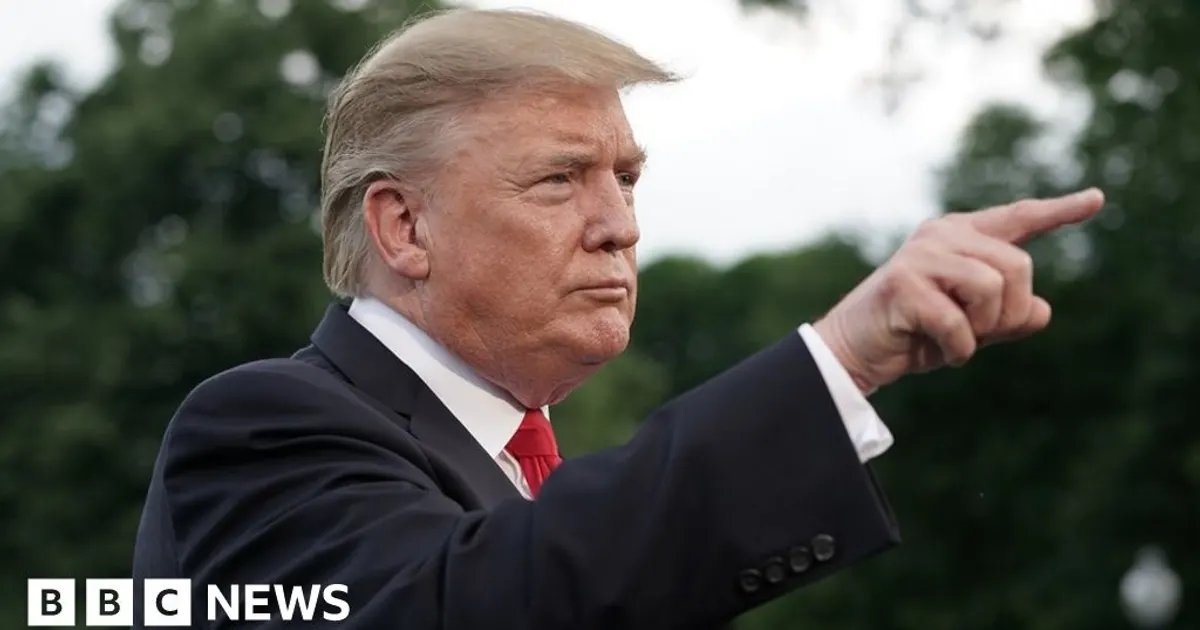
President Trump announced a fresh 10% tariff on another $300 billion of Chinese goods, effective September 1, after bilateral talks made little progress. He accused China of not honoring commitments to buy more U.S. agricultural products.
Chinese Foreign Minister Wang Yi criticized the move, and markets fell sharply in response.
Tariffs on the broad range of Chinese imports and the complaint about unmet farm purchases point to reduced U.S. agricultural export demand to China. That is bearish for soybeans and other U.S. feed grains.
 agronews.com.plMałgorzata Kulma5 Ağu 2019
 bbc.comAdd as preferred on Google1 Ağu 2019
 cnbc.comReuters1 Ağu 2019
 nutraingredients.comHank Schultz2 Ağu 2019
683 geçmiş düşüş yanlı ticaret olayları olayından sonra, Mısır 5 seansta medyan %-0,2 hareket etti (%47 daha yüksek; orta yarı %-1,7 ile +%1,6 arası) ve 20 seansta +%0,3.
803 geçmiş düşüş yanlı ticaret olayları olayından sonra, Soya fasulyesi 5 seansta medyan +%0,0 hareket etti (%51 daha yüksek; orta yarı %-1,7 ile +%1,7 arası) ve 20 seansta +%0,9.
Tarihsel bir değerlendirme için henüz yeterli karşılaştırılabilir geçmiş olay yok.
80 geçmiş düşüş yanlı ticaret olayları olayından sonra, Ham petrol (WTI) 5 seansta medyan %-2,2 hareket etti (%30 daha yüksek; orta yarı %-6,9 ile +%0,8 arası) ve 20 seansta %-1,5.
Her emtianın referansının olaydan önceki son kapanışa göre hareketi. Geçmiş okumalar aynı türdeki geçmiş olayları birleştirir; neyin olduğunu anlatır, neyin olacağını değil. Yatırım tavsiyesi değildir.
The new 10% tariff on $300B of Chinese goods triggered the trade escalation and recession fears that hit crude demand expectations.
The Aug 1 tariff escalation and accusation that China wasn't buying US farm goods raised fears of lost export demand, setting up the sell-off that carried into Aug 5.
