Yükleniyor…
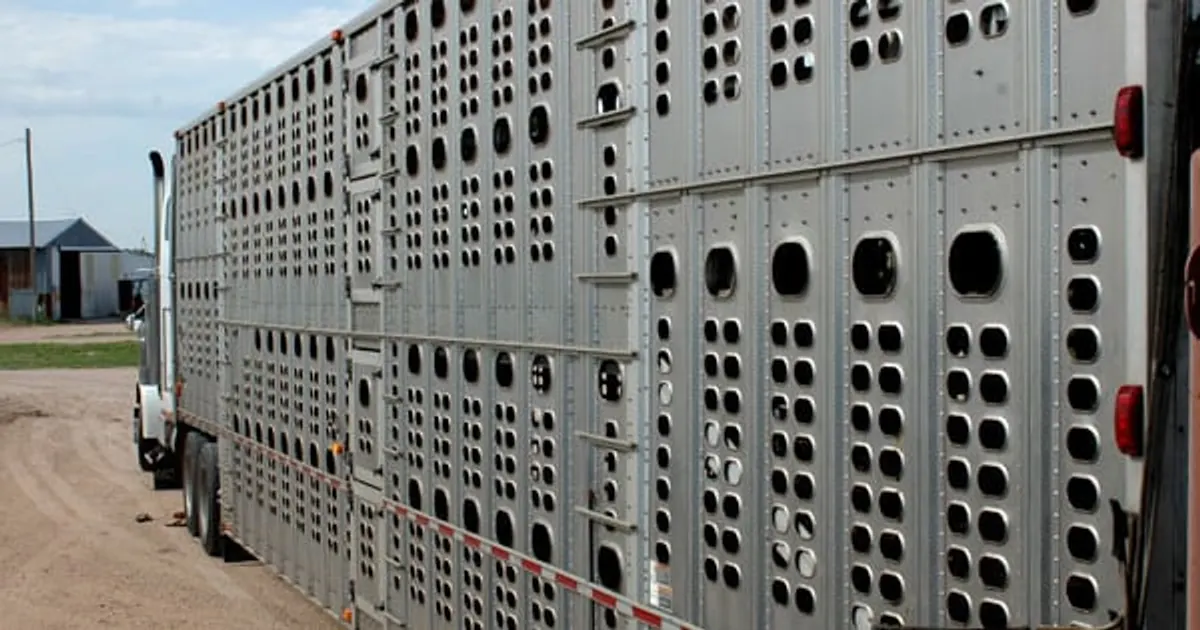
The Tyson Foods Finney County beef plant in Holcomb, Kansas, was partly destroyed by fire on August 10, and cattle futures fell limit down on the Monday after. Analysts estimated the lost slaughter capacity at roughly 30,000 head per week, about 6% of U.S. fed cattle packing capacity.
The plant accounted for about 23.5% of Kansas fed cattle packing capacity.
The loss of weekly slaughter capacity disrupts both fed cattle and boxed beef markets, adding logistics costs for rerouting cattle and beef. Those costs and the shortfall in packing capacity weigh on live cattle and feeder cattle prices.
 beefmagazine.comWes Ishmael13 Ağu 2019
29 geçmiş düşüş yanlı lojistik olayları olayından sonra, Canlı sığır 5 seansta medyan %-0,3 hareket etti (%38 daha yüksek; orta yarı %-2,0 ile +%0,5 arası) ve 20 seansta %-3,7.
20 geçmiş düşüş yanlı lojistik olayları olayından sonra, Besilik sığır 5 seansta medyan +%1,3 hareket etti (%60 daha yüksek; orta yarı %-0,7 ile +%2,0 arası) ve 20 seansta +%2,1.
Her emtianın referansının olaydan önceki son kapanışa göre hareketi. Geçmiş okumalar aynı türdeki geçmiş olayları birleştirir; neyin olduğunu anlatır, neyin olacağını değil. Yatırım tavsiyesi değildir.
The Aug 10 Tyson Holcomb plant fire removed roughly 6% of U.S. fed cattle packing capacity, cutting demand for cattle and sending futures limit down on Monday Aug 12, which directly explains the feeder cattle drop.
Tyson Holcomb fire removed roughly 6% of US fed cattle packing capacity, and live cattle futures went limit down, which directly explains the 5-day drop.
The Aug 10 Tyson Holcomb plant fire removed roughly 6% of US fed cattle packing capacity, and futures went limit down on Monday Aug 12, so reduced slaughter demand for live cattle explains the drop.
The Tyson Holcomb plant fire removed roughly 6% of U.S. fed cattle packing capacity, which cut packer demand for cattle and pushed futures limit down, so feeder cattle fell sharply.
