Yükleniyor…
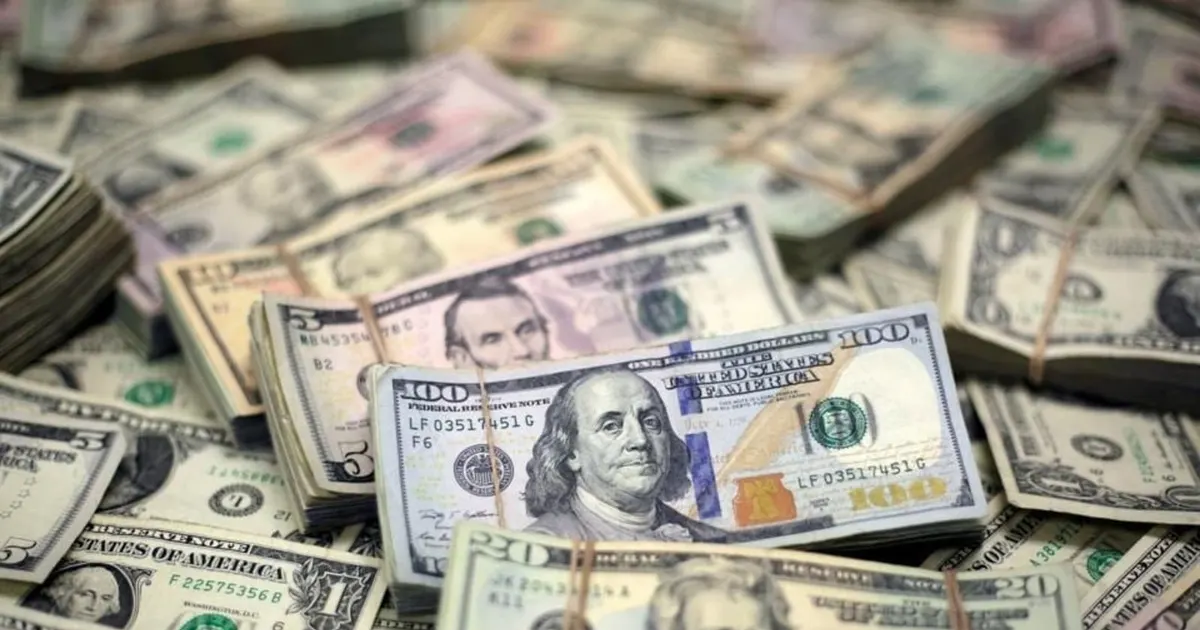
The Bloomberg Dollar Index rose as much as 1.4% on Thursday, its largest intraday gain in nearly two years, as Russia's invasion of Ukraine drove haven demand. The euro fell as much as 1.8% to 1.1106, and Scandinavian currencies declined at least 1%.
A sharp dollar rally raises dollar-denominated feed import costs for buyers outside the US and can weigh on US export prices. The effect is a currency-driven shift rather than a physical supply change.
 hindustantimes.comBloomberg24 Şub 2022
89 geçmiş yükseliş yanlı jeopolitik olayları olayından sonra, ABD Doları (Geniş) 5 seansta medyan +%0,5 hareket etti (%74 daha yüksek; orta yarı %-0,0 ile +%1,0 arası) ve 20 seansta +%0,3.
36 geçmiş düşüş yanlı jeopolitik olayları olayından sonra, Euro (EUR başına USD) 5 seansta medyan %-1,0 hareket etti (%22 daha yüksek; orta yarı %-1,8 ile %-0,3 arası) ve 20 seansta %-0,7.
Her emtianın referansının olaydan önceki son kapanışa göre hareketi. Geçmiş okumalar aynı türdeki geçmiş olayları birleştirir; neyin olduğunu anlatır, neyin olacağını değil. Yatırım tavsiyesi değildir.
Reports broad G-10 currency weakness and a 1.4% Bloomberg Dollar Index rise on haven demand, with the euro down sharply on 24 Feb.
Same-day report of the Bloomberg Dollar Index's largest rally since 2020 (up to 1.4%) with G-10 and Scandinavian currencies falling on haven demand.
Report of the Bloomberg Dollar Index's 1.4% jump and the euro's 1.8% drop to 1.1106 on safe-haven flows after the invasion directly explains the sharp euro move.
