Yükleniyor…
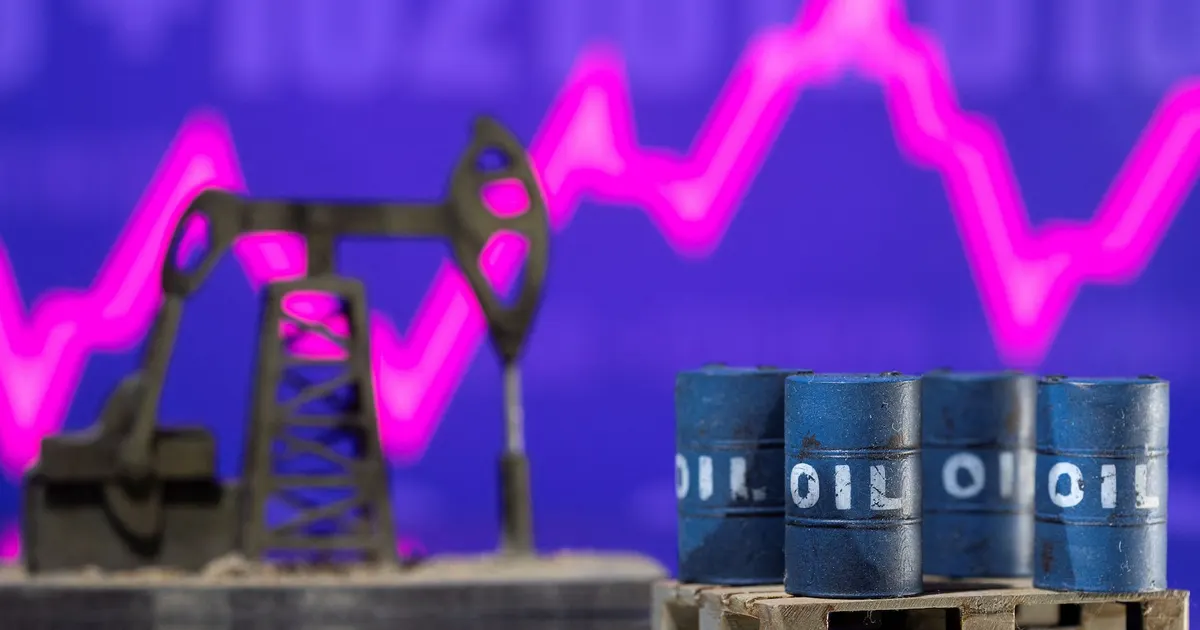
Oil prices surged over 7% after IEA members agreed to release 60 million barrels from strategic reserves, a volume equal to less than one day of global consumption. The release disappointed the market, which feared supply would not cover disruptions from sanctions on Russia.
Russian crude traded at steep discounts while other grades rose.
Sanctions-driven avoidance of Russian barrels tightens supply for other crudes, lifting energy costs for feed production, transport and processing. A small reserve release does little to offset the disruption, so the price pressure persists.
 reuters.comScott Disavino1 Mar 2022
656 geçmiş yükseliş yanlı jeopolitik olayları olayından sonra, Ham petrol (Brent) 5 seansta medyan +%1,9 hareket etti (%63 daha yüksek; orta yarı %-2,7 ile +%6,6 arası) ve 20 seansta +%0,7.
626 geçmiş yükseliş yanlı jeopolitik olayları olayından sonra, Ham petrol (WTI) 5 seansta medyan +%2,1 hareket etti (%62 daha yüksek; orta yarı %-2,3 ile +%8,5 arası) ve 20 seansta +%1,6.
Her emtianın referansının olaydan önceki son kapanışa göre hareketi. Geçmiş okumalar aynı türdeki geçmiş olayları birleştirir; neyin olduğunu anlatır, neyin olacağını değil. Yatırım tavsiyesi değildir.
On 2022-03-01 the IEA's 60 million barrel reserve release was seen as too small to offset Russian supply disruption, which triggered the 7%+ Brent jump that day.
The 60M barrel IEA reserve release was seen as too small to offset potential Russian supply loss, so oil rose over 7% on March 1.
The disappointing 60M barrel IEA reserve release left supply fears unaddressed and triggered the 7% surge that carried into the March 2 close.
The disappointing IEA reserve release of 60 million barrels failed to ease supply fears and added to the price surge.
