Yükleniyor…
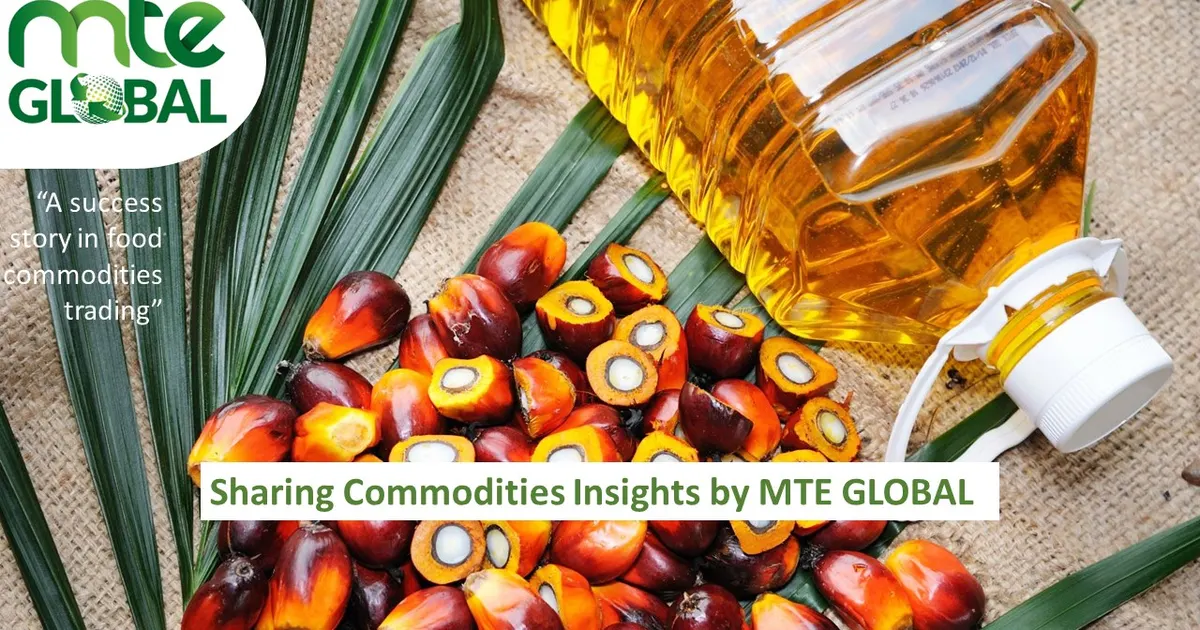
Palm oil closed at its highest level since late July on concerns that dry weather and aging trees will hurt Indonesian output. Industry groups forecast production flat to 5% lower year on year, after earlier predicting a rise.
Soybean oil prices also provided support.
Lower Indonesian output, the world's largest palm producer, tightens global vegetable oil supply and supports prices. Stronger soybean oil adds further support as a substitute.
 delinua.comraid2 Eyl 2024
181 geçmiş yükseliş yanlı hava olayları olayından sonra, Palm yağı 5 seansta medyan +%0,5 hareket etti (%56 daha yüksek; orta yarı %-0,9 ile +%1,9 arası) ve 20 seansta +%0,3.
184 geçmiş yükseliş yanlı hava olayları olayından sonra, Soya yağı 5 seansta medyan +%0,3 hareket etti (%53 daha yüksek; orta yarı %-1,9 ile +%2,4 arası) ve 20 seansta %-0,5.
Her emtianın referansının olaydan önceki son kapanışa göre hareketi. Geçmiş okumalar aynı türdeki geçmiş olayları birleştirir; neyin olduğunu anlatır, neyin olacağını değil. Yatırım tavsiyesi değildir.
On 2024-09-02 palm closed at its highest since late July on dry weather and aging-tree concerns, with output forecast flat to 5% lower and soyoil support, directly explaining the jump.
Concerns that dry weather and aging trees will cut Indonesian output (flat to 5% lower) pushed palm to a multi-week high, a direct supply-side driver heading into the move.
