Yükleniyor…
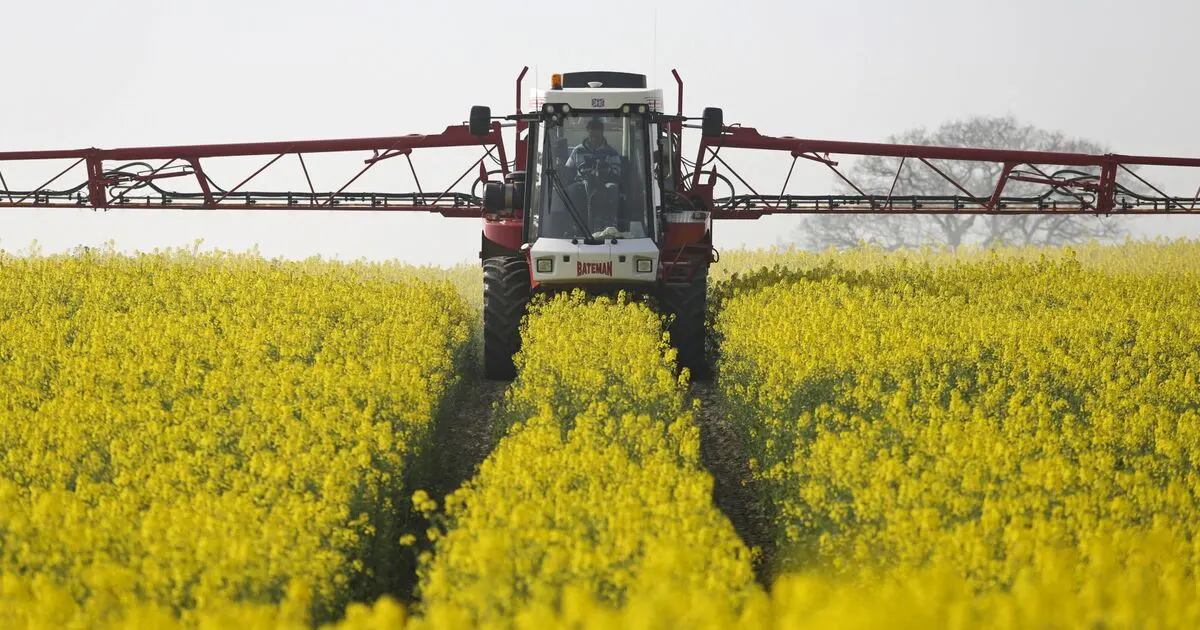
Fertilizer prices have reached a nine-year high as global inflation pushes up input costs. Higher freight rates, increased tariffs, rising energy costs and constrained supplies of nitrogen, potash and phosphate are all contributing.
Growers are applying more fertilizer as corn and wheat values have risen.
Higher fertilizer costs raise the cost of grain production, supporting crop prices and feeding through to feed input costs over time. Elevated nitrogen, potash and phosphate prices also squeeze farm margins and may reduce future planted acreage.
 bloomberg.comElizabeth Elkin27 Ağu 2021
92 geçmiş yükseliş yanlı makro olayları olayından sonra, Üre 5 seansta medyan +%0,0 hareket etti (%50 daha yüksek; orta yarı %-2,0 ile +%3,6 arası) ve 20 seansta +%4,8.
Tarihsel bir değerlendirme için henüz yeterli karşılaştırılabilir geçmiş olay yok.
28 geçmiş yükseliş yanlı makro olayları olayından sonra, DAP 5 seansta medyan %-0,2 hareket etti (%36 daha yüksek; orta yarı %-0,9 ile +%1,3 arası) ve 20 seansta %-0,8.
Her emtianın referansının olaydan önceki son kapanışa göre hareketi. Geçmiş okumalar aynı türdeki geçmiş olayları birleştirir; neyin olduğunu anlatır, neyin olacağını değil. Yatırım tavsiyesi değildir.
Bloomberg reported fertilizer prices at a nine-year high on higher freight, energy costs and tight phosphate supply, which directly supports DAP price strength on the day of the move.
Bloomberg reported fertilizer prices at a nine-year high on inflation, freight, energy and tight phosphate supply, which fits the DAP price rise, though it was published a day after the move ended.
