Yükleniyor…
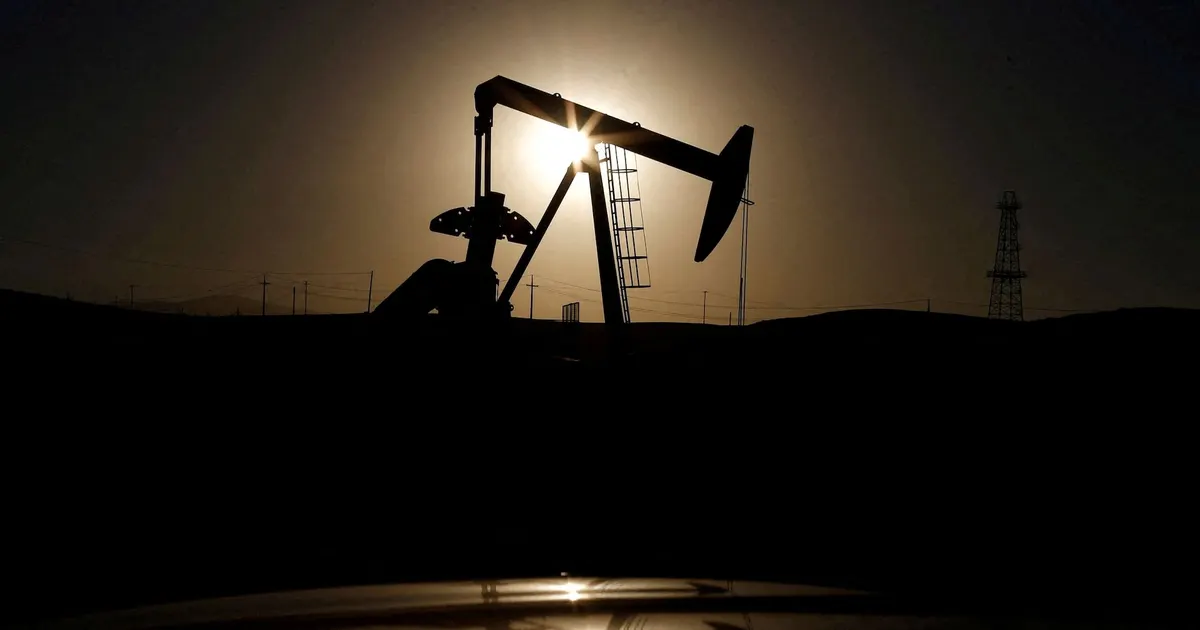
Oil prices spiked and then crashed in March 2022, driven by medium-term fundamentals, strain from disruption to Russian oil exports, and thin market liquidity. The short-term trigger for the sell-off was improved prospects for a truce between Russia and Ukraine.
Extreme crude volatility transmits directly into diesel and energy costs for feed mills and farms, and a Russia-Ukraine truce would ease supply fears that had supported grain and oilseed prices.
 reuters.comJohn Kemp17 Mar 2022
255 geçmiş düşüş yanlı jeopolitik olayları olayından sonra, Ham petrol (WTI) 5 seansta medyan %-2,4 hareket etti (%31 daha yüksek; orta yarı %-7,0 ile +%1,7 arası) ve 20 seansta %-5,0.
250 geçmiş düşüş yanlı jeopolitik olayları olayından sonra, Ham petrol (Brent) 5 seansta medyan %-3,1 hareket etti (%36 daha yüksek; orta yarı %-7,9 ile +%1,6 arası) ve 20 seansta %-5,5.
51 geçmiş düşüş yanlı jeopolitik olayları olayından sonra, ULSD / Dizel 5 seansta medyan %-2,4 hareket etti (%37 daha yüksek; orta yarı %-8,2 ile +%3,9 arası) ve 20 seansta %-2,3.
Her emtianın referansının olaydan önceki son kapanışa göre hareketi. Geçmiş okumalar aynı türdeki geçmiş olayları birleştirir; neyin olduğunu anlatır, neyin olacağını değil. Yatırım tavsiyesi değildir.
The sell-off was triggered by improved truce prospects and aggravated by thin liquidity, explaining the sharp collapse.
Explains the crash as unwinding of a spike on thin liquidity, with improved truce prospects as the trigger.
The sell-off was attributed to improved truce prospects and thin liquidity, which amplified the downward move.
The mid-March sell-off on truce hopes created the depressed starting level, so the following rebound was large in percentage terms.
