Yükleniyor…
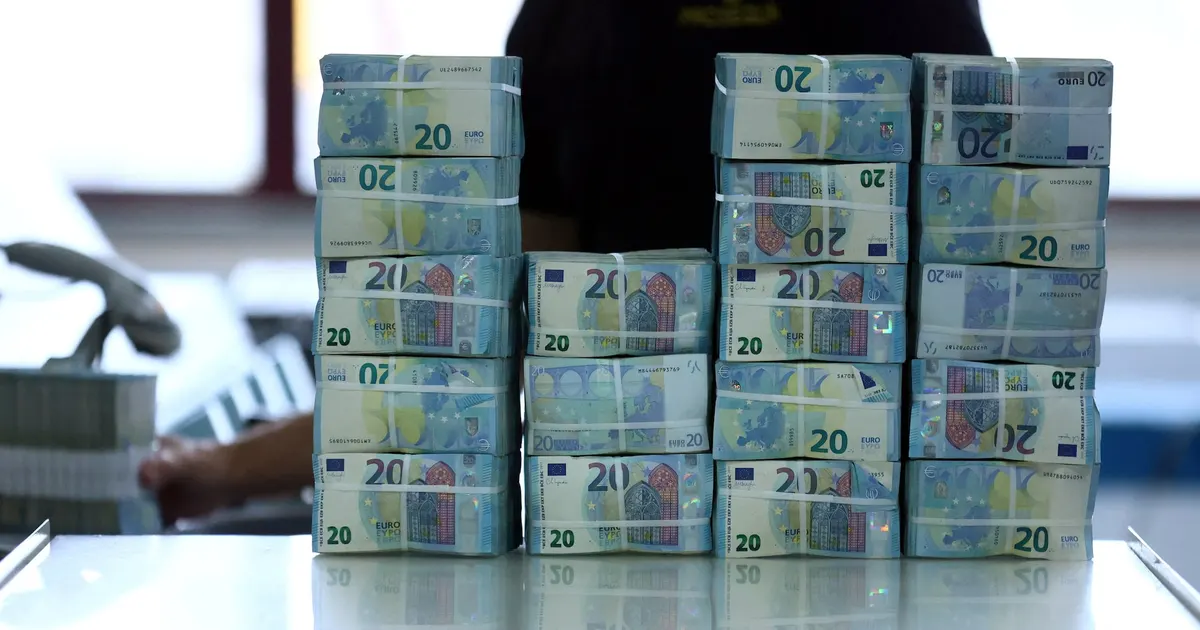
The euro rose to about $1.07, its highest in four months, after the parties forming Germany's next government agreed to overhaul the debt brake. The plan exempts defence spending above 1% of GDP and creates a 500 billion euro infrastructure fund.
Large German fiscal expansion strengthens the euro and eases pressure on European growth, while tariff risks remain. For feed buyers, a firmer euro and stronger European demand for energy and inputs shape import costs and currency-linked prices.
 reuters.comHarry Robertson5 Mar 2025
388 geçmiş yükseliş yanlı makro olayları olayından sonra, Euro (EUR başına USD) 5 seansta medyan +%0,3 hareket etti (%62 daha yüksek; orta yarı %-0,4 ile +%1,1 arası) ve 20 seansta +%0,1.
1.637 geçmiş düşüş yanlı makro olayları olayından sonra, ABD Doları (Geniş) 5 seansta medyan %-0,2 hareket etti (%39 daha yüksek; orta yarı %-0,6 ile +%0,3 arası) ve 20 seansta %-0,2.
Her emtianın referansının olaydan önceki son kapanışa göre hareketi. Geçmiş okumalar aynı türdeki geçmiş olayları birleştirir; neyin olduğunu anlatır, neyin olacağını değil. Yatırım tavsiyesi değildir.
Dated on the move day, it reports the euro jumping to about $1.07 after Germany agreed to overhaul the debt brake and create a 500bn euro fund, the main driver of the 2.2% gain.
German debt brake overhaul and 500bn euro fund on March 5 pushed the euro to about $1.07, which mechanically weighed on the broad dollar.
German debt brake overhaul and 500bn euro infrastructure fund sent EUR sharply higher, the main driver of broad dollar weakness via the heavily weighted euro.
The euro rose to about $1.07, a four-month high, as the German debt brake overhaul unwound parity bets, a major driver of the move.
