Yükleniyor…
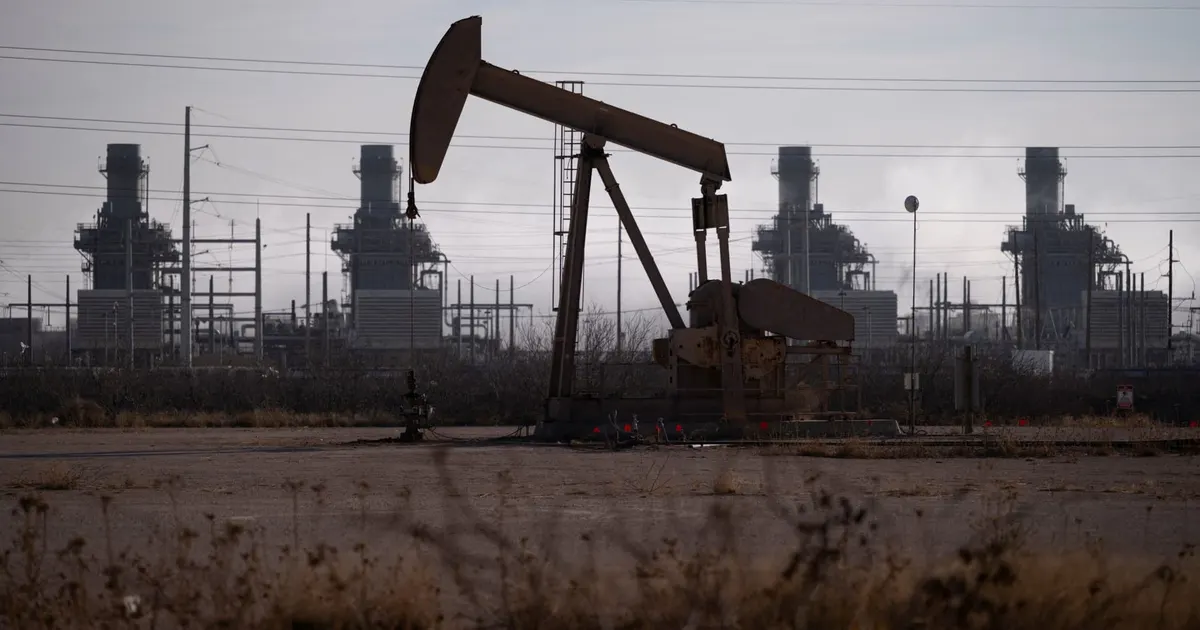
U.S. crude posted its biggest weekly gain in futures history, rising about 35% to $90.90, while Brent gained about 28% for its biggest weekly gain since April 2020. The surge followed Trump's demand for Iran's unconditional surrender and Qatar's warning that Gulf exports could halt if Hormuz tankers cannot pass.
A near standstill in Hormuz traffic threatens global fuel supply, pushing up energy, fertilizer and freight costs that squeeze feed margins and could lift vegetable oil prices through biofuel demand.
 cnbc.comSpencer Kimball, Chloe Taylor, Sam Meredith6 Mar 2026
626 geçmiş yükseliş yanlı jeopolitik olayları olayından sonra, Ham petrol (WTI) 5 seansta medyan +%2,1 hareket etti (%62 daha yüksek; orta yarı %-2,3 ile +%8,5 arası) ve 20 seansta +%1,6.
656 geçmiş yükseliş yanlı jeopolitik olayları olayından sonra, Ham petrol (Brent) 5 seansta medyan +%1,9 hareket etti (%63 daha yüksek; orta yarı %-2,7 ile +%6,6 arası) ve 20 seansta +%0,7.
205 geçmiş yükseliş yanlı jeopolitik olayları olayından sonra, Üre 5 seansta medyan +%0,4 hareket etti (%53 daha yüksek; orta yarı %-2,1 ile +%3,0 arası) ve 20 seansta %-0,4.
Tarihsel bir değerlendirme için henüz yeterli karşılaştırılabilir geçmiş olay yok.
Her emtianın referansının olaydan önceki son kapanışa göre hareketi. Geçmiş okumalar aynı türdeki geçmiş olayları birleştirir; neyin olduğunu anlatır, neyin olacağını değil. Yatırım tavsiyesi değildir.
Documents the record weekly gain ending March 6 driven by Hormuz closure risk and Qatar's warning of halted Gulf exports.
US crude posted a record ~35% weekly gain to $90.90 as Hormuz disruption and Gulf export-halt warnings drove the move.
Dated March 6, it reports record weekly oil gains and cites Trump's surrender demand and Qatar's warning that Gulf exports could halt, which directly fits the Brent jump that day.
Weekly summary tied to Qatar's warning that Gulf exports could halt and Trump's demand for surrender, which are escalation catalysts adding to the late-week rally.
