Yükleniyor…
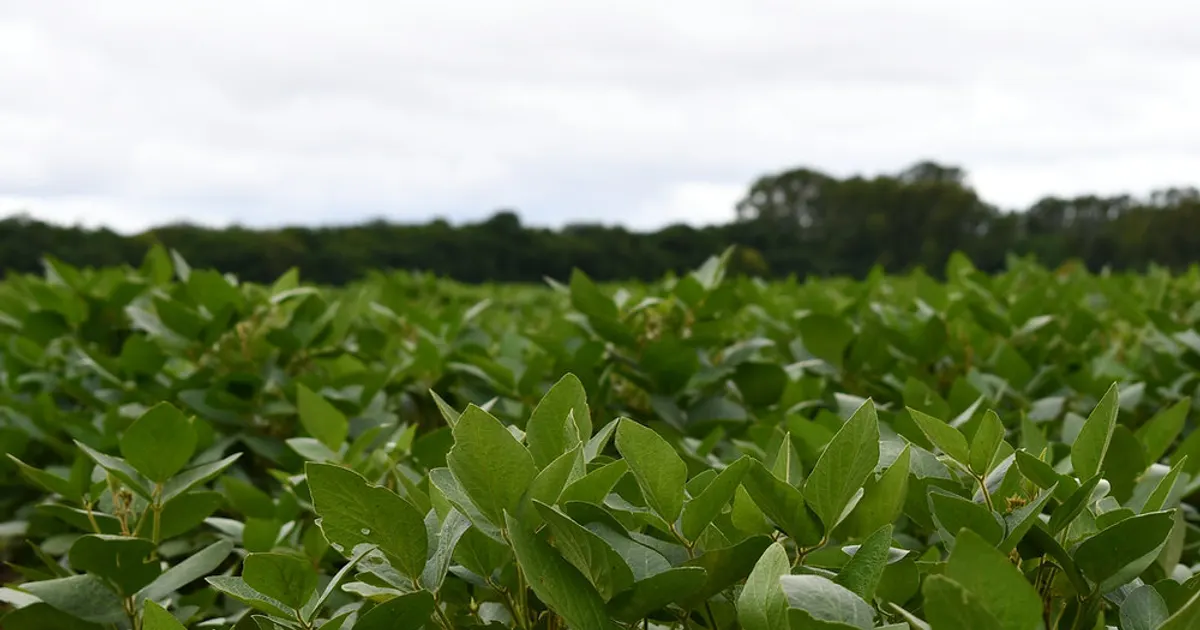
A North Dakota State University analysis finds that Chinese purchases of U.S. soybeans historically track the Brazil-U.S. landed price spread rather than political signals. The authors note that during the 2025 tariff period, U.S. exports to China fell when tariffs widened the U.S. price premium.
Chinese demand for U.S. beans depends on price competitiveness against Brazil, so purchases may stay tied to relative landed prices rather than the trade pledge. Traders should watch the Brazil-U.S. spread as a guide to future demand.
 capts-ndsu.comCAPTS NDSU5 Ara 2025
250 geçmiş nötr ticaret olayları olayından sonra, Soya fasulyesi 5 seansta medyan +%0,0 hareket etti (%50 daha yüksek; orta yarı %-1,4 ile +%1,6 arası) ve 20 seansta %-0,2.
Her emtianın referansının olaydan önceki son kapanışa göre hareketi. Geçmiş okumalar aynı türdeki geçmiş olayları birleştirir; neyin olduğunu anlatır, neyin olacağını değil. Yatırım tavsiyesi değildir.
