กำลังโหลด…
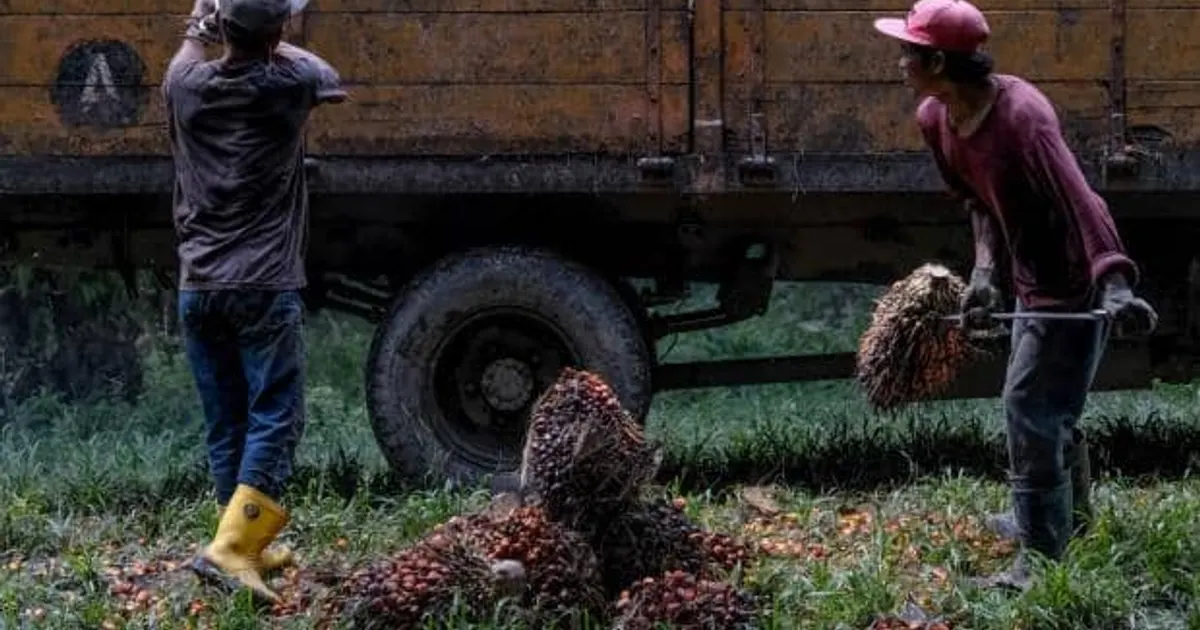
Food commodity prices rallied, with wheat reaching its highest level since 2012 and palm oil on a record run. Russia and Ukraine account for about a quarter of global wheat trade and most sunflower oil exports.
Drought in South America also weighed on soybean supply prospects, and a labor shortage in Malaysia was limiting palm oil output.
Higher wheat, corn and vegetable oil prices raise input costs for feed and food manufacturers. Low starting stocks leave little buffer against further supply shocks.
 business-standard.comAnuradha Raghu, Bloomberg24 ก.พ. 2565
หลัง 361 เหตุการณ์ภูมิรัฐศาสตร์ที่ขาขึ้นในอดีต ข้าวสาลี (SRW) เคลื่อนไหวเฉลี่ย +0.7% ใน 5 วันทำการ (58% สูงขึ้น; ช่วงกลาง -1.4% ถึง +3.7%) และ +1.3% ใน 20 วัน.
หลัง 323 เหตุการณ์ภูมิรัฐศาสตร์ที่ขาขึ้นในอดีต ข้าวโพด เคลื่อนไหวเฉลี่ย +0.5% ใน 5 วันทำการ (57% สูงขึ้น; ช่วงกลาง -1.5% ถึง +2.9%) และ +0.9% ใน 20 วัน.
หลัง 62 เหตุการณ์ภูมิรัฐศาสตร์ที่ขาขึ้นในอดีต น้ำมันปาล์ม เคลื่อนไหวเฉลี่ย +2.5% ใน 5 วันทำการ (74% สูงขึ้น; ช่วงกลาง -0.1% ถึง +5.8%) และ +4.0% ใน 20 วัน.
หลัง 72 เหตุการณ์ภูมิรัฐศาสตร์ที่ขาขึ้นในอดีต ถั่วเหลือง เคลื่อนไหวเฉลี่ย +0.4% ใน 5 วันทำการ (60% สูงขึ้น; ช่วงกลาง -1.0% ถึง +2.5%) และ -1.0% ใน 20 วัน.
การเคลื่อนไหวของราคาอ้างอิงของแต่ละสินค้านับจากการปิดตลาดครั้งสุดท้ายก่อนเหตุการณ์ ข้อมูลย้อนหลังรวมเหตุการณ์ชนิดเดียวกันในอดีต ซึ่งบอกสิ่งที่เกิดขึ้น ไม่ได้บอกสิ่งที่จะเกิด ไม่ใช่คำแนะนำการลงทุน
Food commodity prices including palm oil rallied on Russia-Ukraine risk, while Malaysian labor shortages limited output.
