กำลังโหลด…
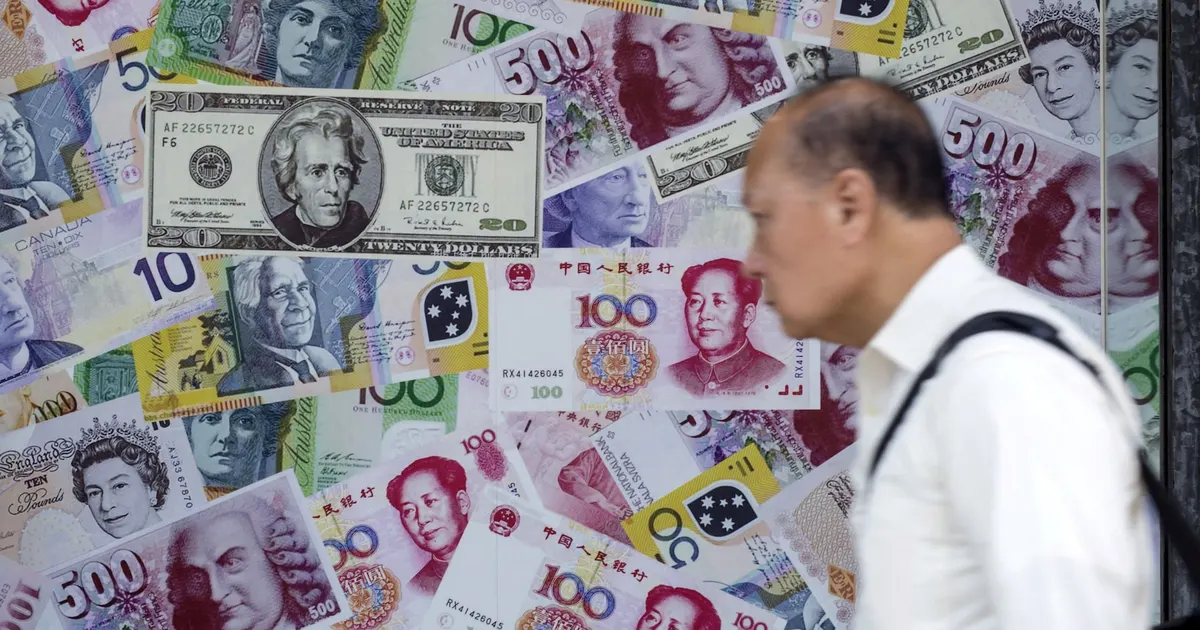
Analysts said U.S. tariffs under President Trump have undermined confidence in the dollar and disrupted the flow of trade dollars into U.S. assets. Asian currencies have rallied sharply against the dollar as a result.
Tariffs reduce Chinese exporters' access to U.S. customers, which weakens their dollar receipts and can cut into demand for U.S. farm goods. A weaker dollar generally supports US commodity export prices.
 reuters.comRae Wee, Samuel Shen6 พ.ค. 2568
หลัง 39 เหตุการณ์การค้าที่ขาลงในอดีต ดอลลาร์สหรัฐ (ดัชนีกว้าง) เคลื่อนไหวเฉลี่ย -0.4% ใน 5 วันทำการ (26% สูงขึ้น; ช่วงกลาง -1.1% ถึง +0.0%) และ -0.8% ใน 20 วัน.
หลัง 22 เหตุการณ์การค้าที่ขาลงในอดีต หยวนจีน (CNY ต่อ USD) เคลื่อนไหวเฉลี่ย -0.1% ใน 5 วันทำการ (41% สูงขึ้น; ช่วงกลาง -0.7% ถึง +0.3%) และ -0.3% ใน 20 วัน.
การเคลื่อนไหวของราคาอ้างอิงของแต่ละสินค้านับจากการปิดตลาดครั้งสุดท้ายก่อนเหตุการณ์ ข้อมูลย้อนหลังรวมเหตุการณ์ชนิดเดียวกันในอดีต ซึ่งบอกสิ่งที่เกิดขึ้น ไม่ได้บอกสิ่งที่จะเกิด ไม่ใช่คำแนะนำการลงทุน
Tariff-driven loss of confidence in the dollar and a broad Asian FX rally explain the dollar-weakness backdrop behind the yuan's gain.
