กำลังโหลด…
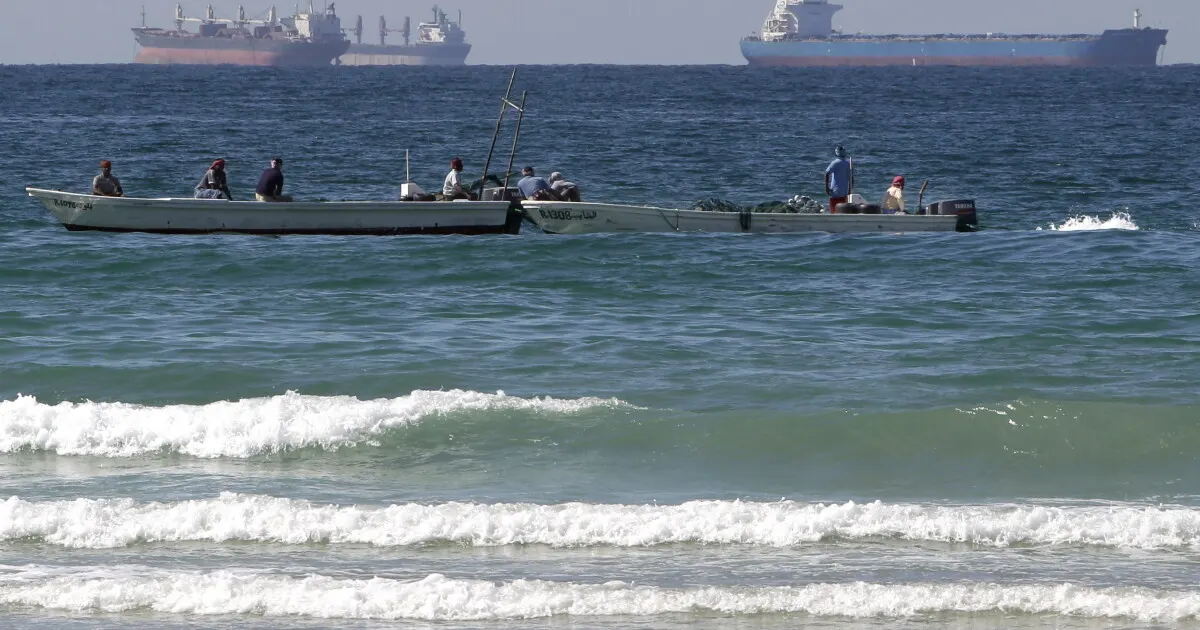
Oil prices fell after Iran signaled de-escalation following a limited missile attack. Prices had jumped about 4% earlier as traders watched the Strait of Hormuz, where Tehran's legislators had demanded closure.
A reduced threat to Gulf crude flows lowers the risk premium in energy markets, easing diesel and fertilizer cost pressure for feed producers.
 apnews.comBernard Condon23 มิ.ย. 2568
หลัง 250 เหตุการณ์ภูมิรัฐศาสตร์ที่ขาลงในอดีต น้ำมันดิบ (Brent) เคลื่อนไหวเฉลี่ย -3.1% ใน 5 วันทำการ (36% สูงขึ้น; ช่วงกลาง -7.9% ถึง +1.6%) และ -5.5% ใน 20 วัน.
หลัง 255 เหตุการณ์ภูมิรัฐศาสตร์ที่ขาลงในอดีต น้ำมันดิบ (WTI) เคลื่อนไหวเฉลี่ย -2.4% ใน 5 วันทำการ (31% สูงขึ้น; ช่วงกลาง -7.0% ถึง +1.7%) และ -5.0% ใน 20 วัน.
การเคลื่อนไหวของราคาอ้างอิงของแต่ละสินค้านับจากการปิดตลาดครั้งสุดท้ายก่อนเหตุการณ์ ข้อมูลย้อนหลังรวมเหตุการณ์ชนิดเดียวกันในอดีต ซึ่งบอกสิ่งที่เกิดขึ้น ไม่ได้บอกสิ่งที่จะเกิด ไม่ใช่คำแนะนำการลงทุน
Prices reversed from an earlier 4% gain as Iran signaled de-escalation with a limited missile attack, which lowered the supply-disruption premium.
Oil tumbled as Iran signaled de-escalation with a limited missile attack, reversing earlier gains.
Prices tumbled as Iran signaled de-escalation with a limited missile attack, removing the Hormuz disruption fear.
