กำลังโหลด…
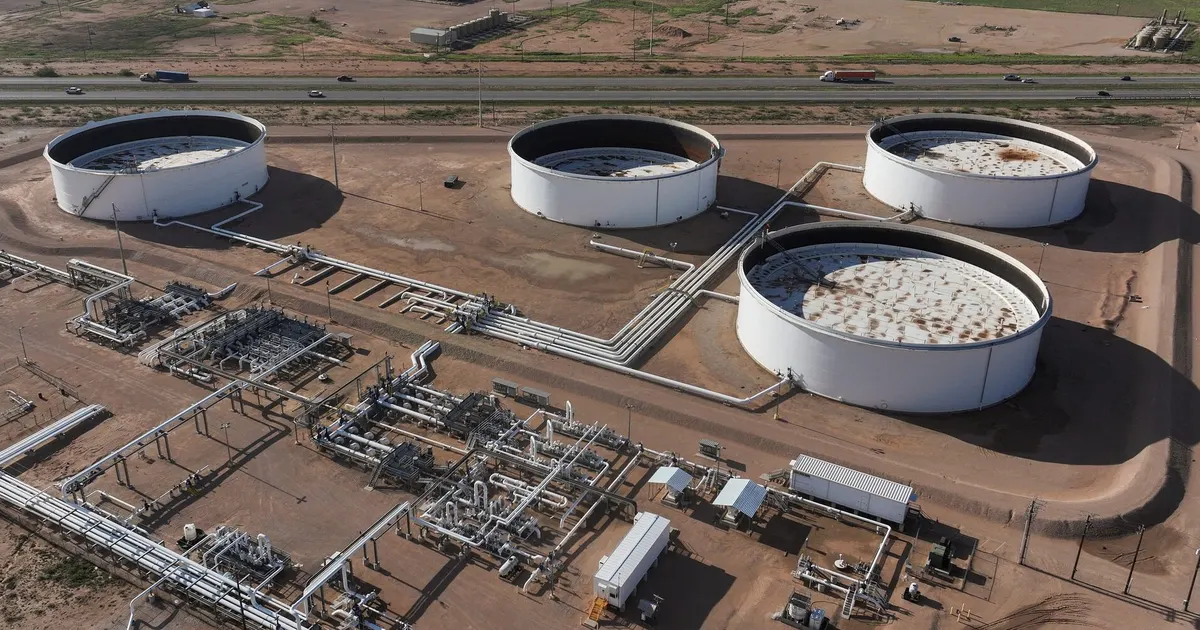
Oil prices dropped sharply after Iran's retaliation against a U.S. military base in Qatar was limited and telegraphed. Prices fell further after Donald Trump announced that Israel and Iran had agreed to a ceasefire.
The episode suggests Middle East tensions have less lasting impact on crude than before, so risk premiums are unwinding and energy input costs for feed are easing.
 reuters.comRon Bousso25 มิ.ย. 2568
หลัง 250 เหตุการณ์ภูมิรัฐศาสตร์ที่ขาลงในอดีต น้ำมันดิบ (Brent) เคลื่อนไหวเฉลี่ย -3.1% ใน 5 วันทำการ (36% สูงขึ้น; ช่วงกลาง -7.9% ถึง +1.6%) และ -5.5% ใน 20 วัน.
หลัง 255 เหตุการณ์ภูมิรัฐศาสตร์ที่ขาลงในอดีต น้ำมันดิบ (WTI) เคลื่อนไหวเฉลี่ย -2.4% ใน 5 วันทำการ (31% สูงขึ้น; ช่วงกลาง -7.0% ถึง +1.7%) และ -5.0% ใน 20 วัน.
การเคลื่อนไหวของราคาอ้างอิงของแต่ละสินค้านับจากการปิดตลาดครั้งสุดท้ายก่อนเหตุการณ์ ข้อมูลย้อนหลังรวมเหตุการณ์ชนิดเดียวกันในอดีต ซึ่งบอกสิ่งที่เกิดขึ้น ไม่ได้บอกสิ่งที่จะเกิด ไม่ใช่คำแนะนำการลงทุน
Limited, telegraphed Iranian retaliation and the ceasefire announcement drove prices lower as the supply-risk premium faded.
Prices dropped because Iran's retaliation was limited and telegraphed, with the ceasefire announcement adding to the decline; the ceasefire part falls partly outside the June 23 window.
Oil dropped on the limited, telegraphed Iranian retaliation and then the ceasefire, which lowered the supply-risk premium.
