กำลังโหลด…
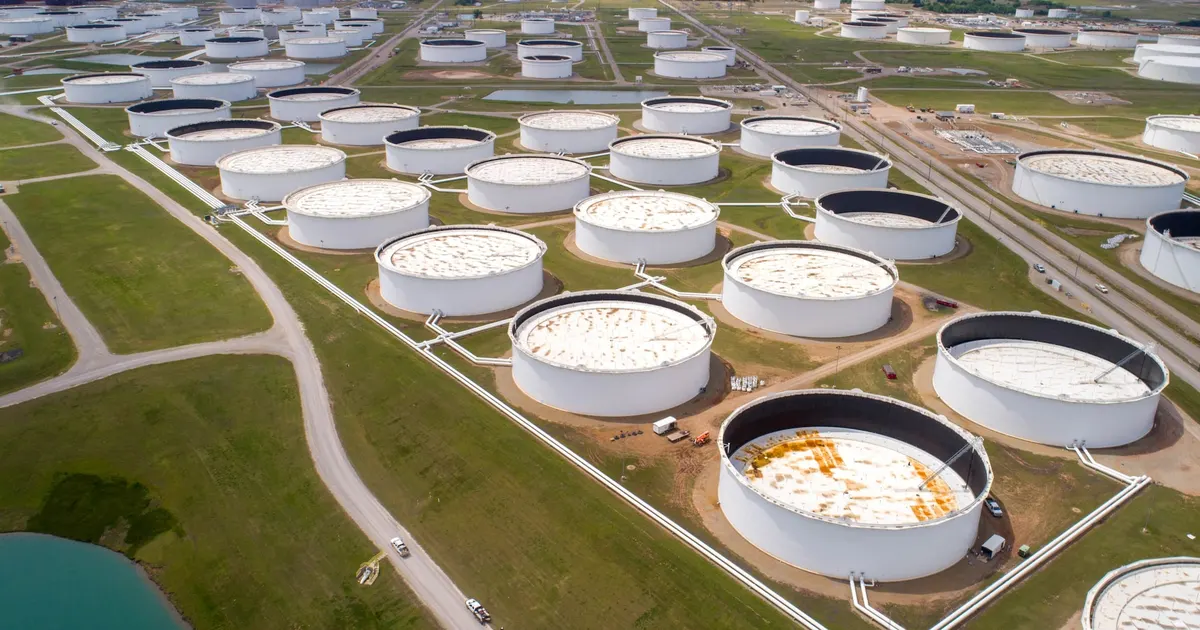
Media coverage focused on fears that Iran would block the Strait of Hormuz, which carries about 20% of global crude oil and LNG, or strike US military bases in the region. The article questions whether US military action or Iran's allies have more influence on crude prices.
Perceived supply-disruption risk in the Gulf adds a geopolitical premium to crude, which feeds through to diesel, fertilizer and freight costs for feed producers.
 reuters.comClyde Russell24 มิ.ย. 2568
หลัง 63 เหตุการณ์ภูมิรัฐศาสตร์ที่เป็นกลางในอดีต น้ำมันดิบ (Brent) เคลื่อนไหวเฉลี่ย -0.5% ใน 5 วันทำการ (44% สูงขึ้น; ช่วงกลาง -4.4% ถึง +2.6%) และ -2.7% ใน 20 วัน.
หลัง 60 เหตุการณ์ภูมิรัฐศาสตร์ที่เป็นกลางในอดีต น้ำมันดิบ (WTI) เคลื่อนไหวเฉลี่ย -0.9% ใน 5 วันทำการ (43% สูงขึ้น; ช่วงกลาง -4.7% ถึง +2.3%) และ -1.9% ใน 20 วัน.
การเคลื่อนไหวของราคาอ้างอิงของแต่ละสินค้านับจากการปิดตลาดครั้งสุดท้ายก่อนเหตุการณ์ ข้อมูลย้อนหลังรวมเหตุการณ์ชนิดเดียวกันในอดีต ซึ่งบอกสิ่งที่เกิดขึ้น ไม่ได้บอกสิ่งที่จะเกิด ไม่ใช่คำแนะนำการลงทุน
