กำลังโหลด…
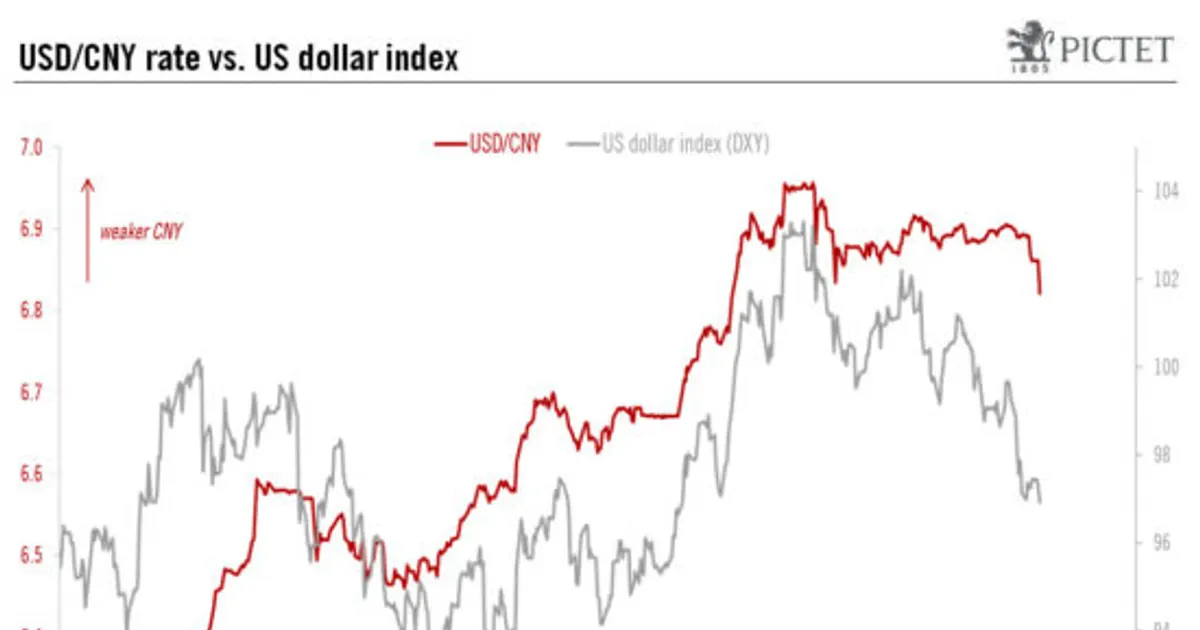
The People's Bank of China introduced a counter-cyclical adjustment factor into its daily USD/CNY reference rate calculation. The change adds a macroeconomic weighting to the fixing, giving the central bank more control over the exchange rate.
The move is designed to reduce pressure on the renminbi if the dollar strengthens again.
By limiting renminbi depreciation, the new fixing lowers the risk of a sudden cheapening of dollar-priced imports from China's perspective, which can otherwise slow Chinese purchases of US and Brazilian grains and meal. The policy shift reduces currency-driven volatility for feed importers.
 swiss.economicblogs.orgLuc Luyet &, Dong Chen1 มิ.ย. 2560
 farmprogress.comBob Burgdorfer Senior Editor, Farm Futures5 มิ.ย. 2560
หลัง 439 เหตุการณ์นโยบายที่เป็นกลางในอดีต ข้าวโพด เคลื่อนไหวเฉลี่ย +0.1% ใน 5 วันทำการ (51% สูงขึ้น; ช่วงกลาง -1.3% ถึง +1.2%) และ +1.1% ใน 20 วัน.
หลัง 554 เหตุการณ์นโยบายที่เป็นกลางในอดีต ถั่วเหลือง เคลื่อนไหวเฉลี่ย +0.0% ใน 5 วันทำการ (51% สูงขึ้น; ช่วงกลาง -1.4% ถึง +1.6%) และ +0.6% ใน 20 วัน.
ยังมีเหตุการณ์ในอดีตที่เทียบได้ไม่เพียงพอสำหรับการอ่านข้อมูลย้อนหลัง
หลัง 50 เหตุการณ์นโยบายที่ขาลงในอดีต หยวนจีน (CNY ต่อ USD) เคลื่อนไหวเฉลี่ย -0.1% ใน 5 วันทำการ (46% สูงขึ้น; ช่วงกลาง -0.4% ถึง +0.4%) และ -0.0% ใน 20 วัน.
การเคลื่อนไหวของราคาอ้างอิงของแต่ละสินค้านับจากการปิดตลาดครั้งสุดท้ายก่อนเหตุการณ์ ข้อมูลย้อนหลังรวมเหตุการณ์ชนิดเดียวกันในอดีต ซึ่งบอกสิ่งที่เกิดขึ้น ไม่ได้บอกสิ่งที่จะเกิด ไม่ใช่คำแนะนำการลงทุน
The new fixing mechanism limits depreciation pressure and gives the central bank more control, supporting the yuan.
