กำลังโหลด…
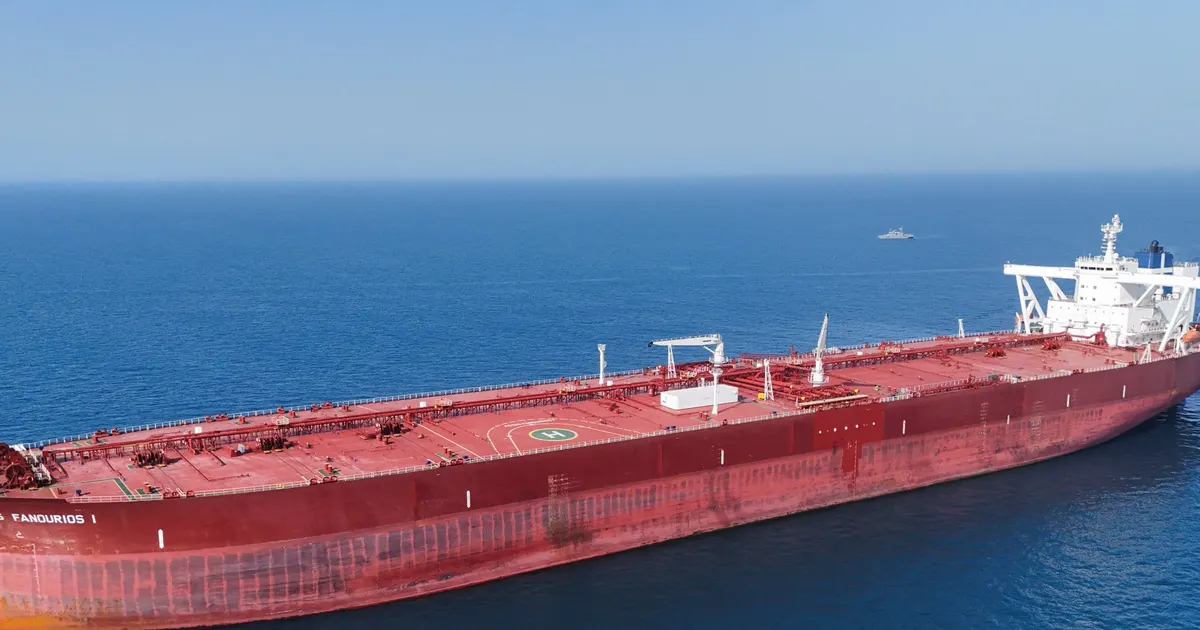
Brent fell more than 9% to $90.38 on Friday after Iran said the Strait of Hormuz was open during a Lebanon ceasefire. On Saturday Iran reversed the decision, saying it would block transit while the US blockade of its ports continued.
Trump said the blockade would stay in force until a broader deal was reached.
The reversal revives supply risk, so crude prices are likely to rebound from their recent lows. Renewed uncertainty keeps energy and fertilizer costs elevated for feed makers.
 aljazeera.comJohn Power18 เม.ย. 2569
หลัง 656 เหตุการณ์ภูมิรัฐศาสตร์ที่ขาขึ้นในอดีต น้ำมันดิบ (Brent) เคลื่อนไหวเฉลี่ย +1.9% ใน 5 วันทำการ (63% สูงขึ้น; ช่วงกลาง -2.7% ถึง +6.6%) และ +0.7% ใน 20 วัน.
หลัง 626 เหตุการณ์ภูมิรัฐศาสตร์ที่ขาขึ้นในอดีต น้ำมันดิบ (WTI) เคลื่อนไหวเฉลี่ย +2.1% ใน 5 วันทำการ (62% สูงขึ้น; ช่วงกลาง -2.3% ถึง +8.5%) และ +1.6% ใน 20 วัน.
หลัง 250 เหตุการณ์ภูมิรัฐศาสตร์ที่ขาขึ้นในอดีต ULSD / ดีเซล เคลื่อนไหวเฉลี่ย +1.7% ใน 5 วันทำการ (58% สูงขึ้น; ช่วงกลาง -3.6% ถึง +8.7%) และ +0.9% ใน 20 วัน.
การเคลื่อนไหวของราคาอ้างอิงของแต่ละสินค้านับจากการปิดตลาดครั้งสุดท้ายก่อนเหตุการณ์ ข้อมูลย้อนหลังรวมเหตุการณ์ชนิดเดียวกันในอดีต ซึ่งบอกสิ่งที่เกิดขึ้น ไม่ได้บอกสิ่งที่จะเกิด ไม่ใช่คำแนะนำการลงทุน
Iran reversing the Hormuz opening on April 18 and the US blockade staying in force renewed supply fears, a plausible driver of a rebound in WTI after the April 17 plunge.
Documents the Friday plunge to $90.38 and the weekend reversal by Iran, giving context for the move and for risk of rebound.
