กำลังโหลด…
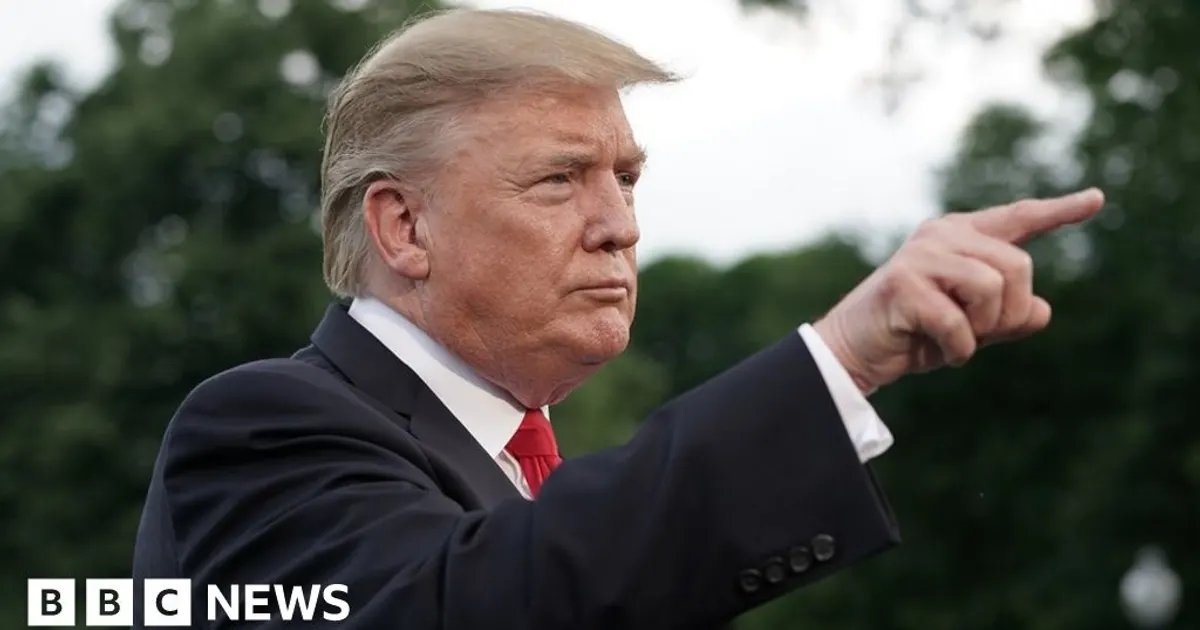
President Trump announced a fresh 10% tariff on another $300 billion of Chinese goods, effective September 1, after bilateral talks made little progress. He accused China of not honoring commitments to buy more U.S. agricultural products.
Chinese Foreign Minister Wang Yi criticized the move, and markets fell sharply in response.
Tariffs on the broad range of Chinese imports and the complaint about unmet farm purchases point to reduced U.S. agricultural export demand to China. That is bearish for soybeans and other U.S. feed grains.
 agronews.com.plMałgorzata Kulma5 ส.ค. 2562
 bbc.comAdd as preferred on Google1 ส.ค. 2562
 cnbc.comReuters1 ส.ค. 2562
 nutraingredients.comHank Schultz2 ส.ค. 2562
หลัง 683 เหตุการณ์การค้าที่ขาลงในอดีต ข้าวโพด เคลื่อนไหวเฉลี่ย -0.2% ใน 5 วันทำการ (47% สูงขึ้น; ช่วงกลาง -1.7% ถึง +1.6%) และ +0.3% ใน 20 วัน.
หลัง 803 เหตุการณ์การค้าที่ขาลงในอดีต ถั่วเหลือง เคลื่อนไหวเฉลี่ย +0.0% ใน 5 วันทำการ (51% สูงขึ้น; ช่วงกลาง -1.7% ถึง +1.7%) และ +0.9% ใน 20 วัน.
ยังมีเหตุการณ์ในอดีตที่เทียบได้ไม่เพียงพอสำหรับการอ่านข้อมูลย้อนหลัง
หลัง 80 เหตุการณ์การค้าที่ขาลงในอดีต น้ำมันดิบ (WTI) เคลื่อนไหวเฉลี่ย -2.2% ใน 5 วันทำการ (30% สูงขึ้น; ช่วงกลาง -6.9% ถึง +0.8%) และ -1.5% ใน 20 วัน.
การเคลื่อนไหวของราคาอ้างอิงของแต่ละสินค้านับจากการปิดตลาดครั้งสุดท้ายก่อนเหตุการณ์ ข้อมูลย้อนหลังรวมเหตุการณ์ชนิดเดียวกันในอดีต ซึ่งบอกสิ่งที่เกิดขึ้น ไม่ได้บอกสิ่งที่จะเกิด ไม่ใช่คำแนะนำการลงทุน
The new 10% tariff on $300B of Chinese goods triggered the trade escalation and recession fears that hit crude demand expectations.
The Aug 1 tariff escalation and accusation that China wasn't buying US farm goods raised fears of lost export demand, setting up the sell-off that carried into Aug 5.
