กำลังโหลด…
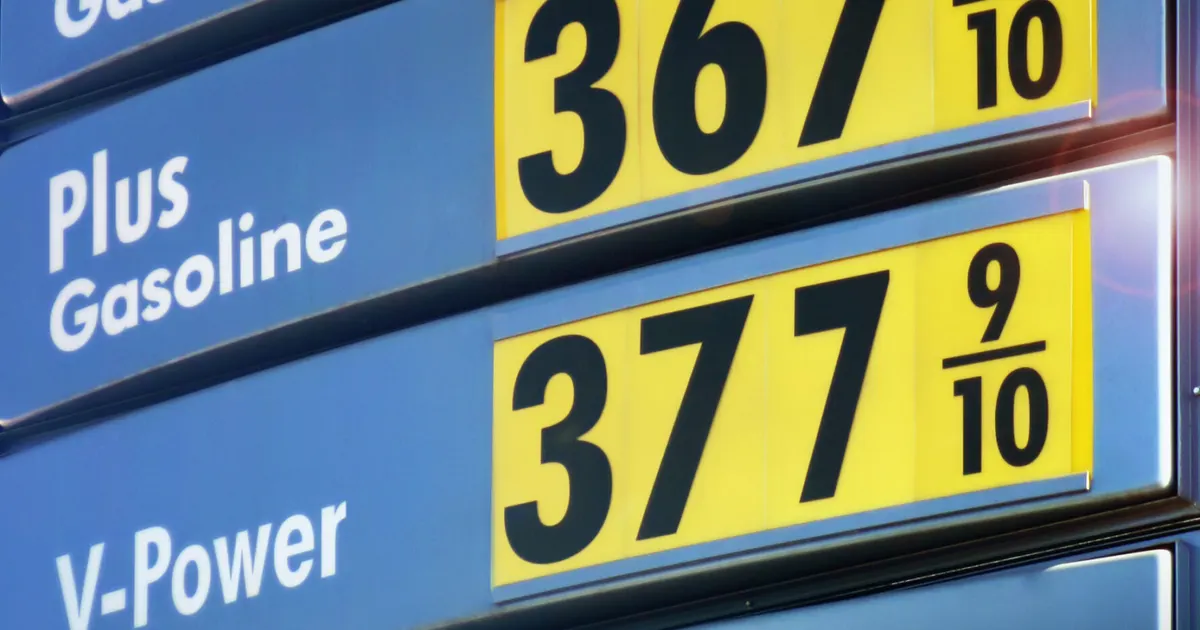
Oil and diesel futures spiked on Friday after Israel attacked Iran, though no Iranian oil facilities were reported hit. ULSD settled up 7.77% at $2.3587/gallon, its highest since February 27, while Brent rose about 7% to $74.23/bbl.
The conflict raises the risk of a Strait of Hormuz disruption, which would tighten global crude and diesel supply and push up energy and fuel-related costs.
 freightwaves.comJohn Kingston13 มิ.ย. 2568
หลัง 250 เหตุการณ์ภูมิรัฐศาสตร์ที่ขาขึ้นในอดีต ULSD / ดีเซล เคลื่อนไหวเฉลี่ย +1.7% ใน 5 วันทำการ (58% สูงขึ้น; ช่วงกลาง -3.6% ถึง +8.7%) และ +0.9% ใน 20 วัน.
หลัง 656 เหตุการณ์ภูมิรัฐศาสตร์ที่ขาขึ้นในอดีต น้ำมันดิบ (Brent) เคลื่อนไหวเฉลี่ย +1.9% ใน 5 วันทำการ (63% สูงขึ้น; ช่วงกลาง -2.7% ถึง +6.6%) และ +0.7% ใน 20 วัน.
หลัง 626 เหตุการณ์ภูมิรัฐศาสตร์ที่ขาขึ้นในอดีต น้ำมันดิบ (WTI) เคลื่อนไหวเฉลี่ย +2.1% ใน 5 วันทำการ (62% สูงขึ้น; ช่วงกลาง -2.3% ถึง +8.5%) และ +1.6% ใน 20 วัน.
การเคลื่อนไหวของราคาอ้างอิงของแต่ละสินค้านับจากการปิดตลาดครั้งสุดท้ายก่อนเหตุการณ์ ข้อมูลย้อนหลังรวมเหตุการณ์ชนิดเดียวกันในอดีต ซึ่งบอกสิ่งที่เกิดขึ้น ไม่ได้บอกสิ่งที่จะเกิด ไม่ใช่คำแนะนำการลงทุน
ULSD settled up 7.77% on June 13 after Israel struck Iran, the single largest driver of the 5-day rally via Middle East supply-risk premium.
ULSD settled up 7.77% on June 13 after Israel struck Iran, the single largest driver of the 5-day gain via a Middle East supply-risk premium.
Brent rose about 7% and diesel spiked on the Israel attack, confirming the crude move and its product spillover.
Brent rose about 7% to $74.23 and diesel spiked on the Israel attack, even though no Iranian oil facilities were hit.
Oil and diesel futures spiked on the Israeli attack, with ULSD up 7.77% alongside crude.
Brent rose about 7% to $74.23 on June 13 and diesel spiked with it, which confirms the oil move.
