กำลังโหลด…
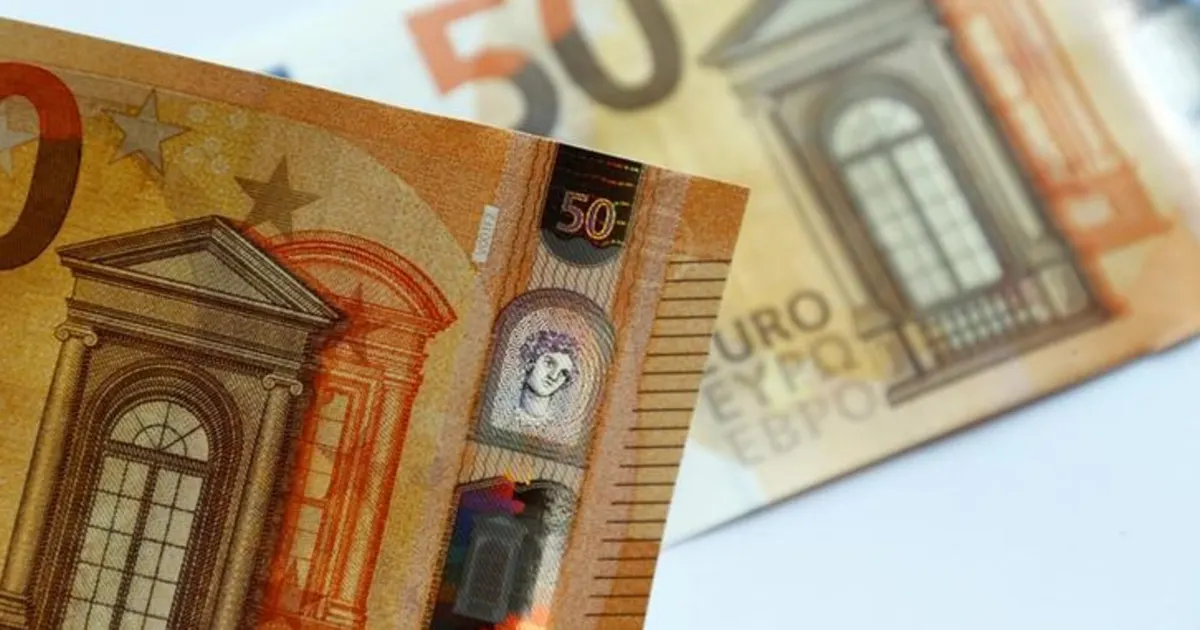
The euro has weakened largely because of diverging monetary policy between the U.S. Federal Reserve, which is raising rates, and the ECB, which is injecting hundreds of billions of euros through quantitative easing. The ECB's ultra-loose policy aims to ward off deflation, shore up banks and reflate the economy.
The weaker currency benefits euro zone exporters.
A weaker euro against the dollar makes euro zone exports more competitive and tends to lower dollar-denominated prices for imported goods, which can weigh on dollar-based feed commodity demand from Europe. Continued dollar strength would pressure U.S. commodity prices in dollar terms.
 reuters.comJamie McGeever3 ก.พ. 2560
หลัง 533 เหตุการณ์มหภาคที่ขาลงในอดีต ยูโร (USD ต่อ EUR) เคลื่อนไหวเฉลี่ย -0.3% ใน 5 วันทำการ (33% สูงขึ้น; ช่วงกลาง -1.2% ถึง +0.2%) และ -0.5% ใน 20 วัน.
หลัง 2,356 เหตุการณ์มหภาคที่ขาขึ้นในอดีต ดอลลาร์สหรัฐ (ดัชนีกว้าง) เคลื่อนไหวเฉลี่ย +0.2% ใน 5 วันทำการ (60% สูงขึ้น; ช่วงกลาง -0.3% ถึง +0.7%) และ +0.4% ใน 20 วัน.
การเคลื่อนไหวของราคาอ้างอิงของแต่ละสินค้านับจากการปิดตลาดครั้งสุดท้ายก่อนเหตุการณ์ ข้อมูลย้อนหลังรวมเหตุการณ์ชนิดเดียวกันในอดีต ซึ่งบอกสิ่งที่เกิดขึ้น ไม่ได้บอกสิ่งที่จะเกิด ไม่ใช่คำแนะนำการลงทุน
