กำลังโหลด…
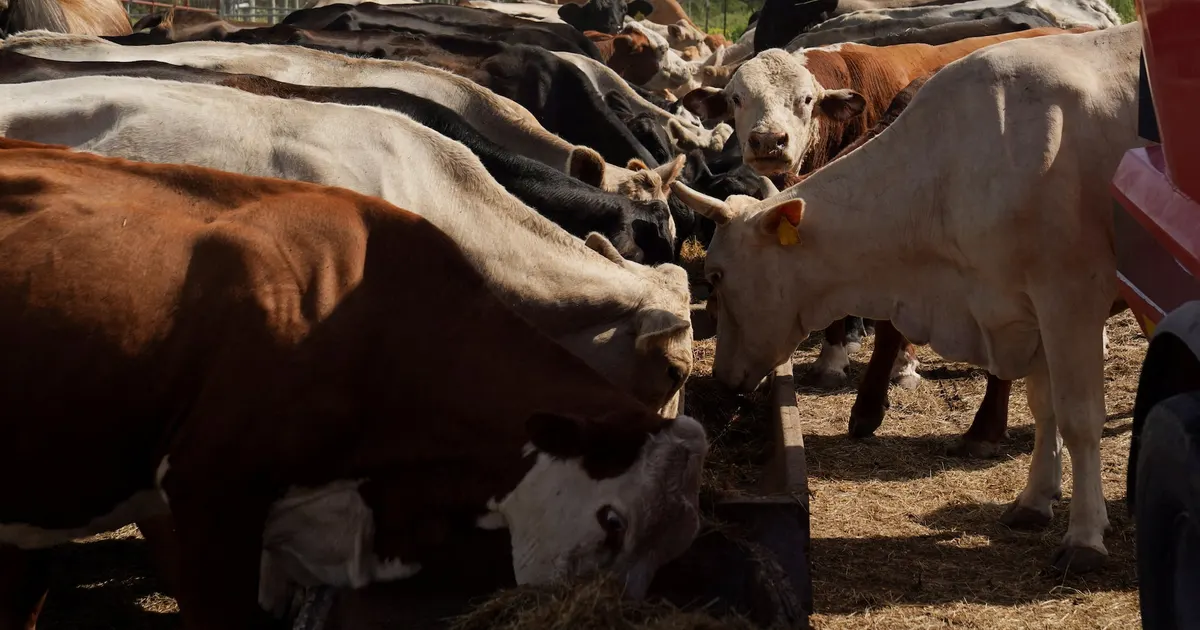
Tyson Foods plans to close a major US beef plant as cattle supplies remain tight. Meatpackers are paying steep prices for cattle, and beef prices have set records on low supplies and strong demand.
Closing a large packing plant reduces slaughter capacity and cattle demand, which is bearish for cattle prices even though tight supplies keep the underlying cattle market firm.
 apnews.comJosh Funk25 พ.ย. 2568
 producer.comReuters, Tom Polansek24 พ.ย. 2568
 reuters.comTom Polansek1 ธ.ค. 2568
หลัง 20 เหตุการณ์โลจิสติกส์ที่ขาลงในอดีต โคขุน (Feeder) เคลื่อนไหวเฉลี่ย +1.3% ใน 5 วันทำการ (60% สูงขึ้น; ช่วงกลาง -0.7% ถึง +2.0%) และ +2.1% ใน 20 วัน.
หลัง 29 เหตุการณ์โลจิสติกส์ที่ขาลงในอดีต โคมีชีวิต เคลื่อนไหวเฉลี่ย -0.3% ใน 5 วันทำการ (38% สูงขึ้น; ช่วงกลาง -2.0% ถึง +0.5%) และ -3.7% ใน 20 วัน.
การเคลื่อนไหวของราคาอ้างอิงของแต่ละสินค้านับจากการปิดตลาดครั้งสุดท้ายก่อนเหตุการณ์ ข้อมูลย้อนหลังรวมเหตุการณ์ชนิดเดียวกันในอดีต ซึ่งบอกสิ่งที่เกิดขึ้น ไม่ได้บอกสิ่งที่จะเกิด ไม่ใช่คำแนะนำการลงทุน
Reports of Tyson's plant closure explain the shock to packer demand for cattle despite tight supplies.
Tyson plant closure announcement reduces packer bidding capacity for cattle.
Tyson's plant closure news (reported Dec 1) falls inside the 5-day window and signals reduced packer slaughter demand for cattle, though the direction of the move is ambiguous given the 5.35% change.
