กำลังโหลด…
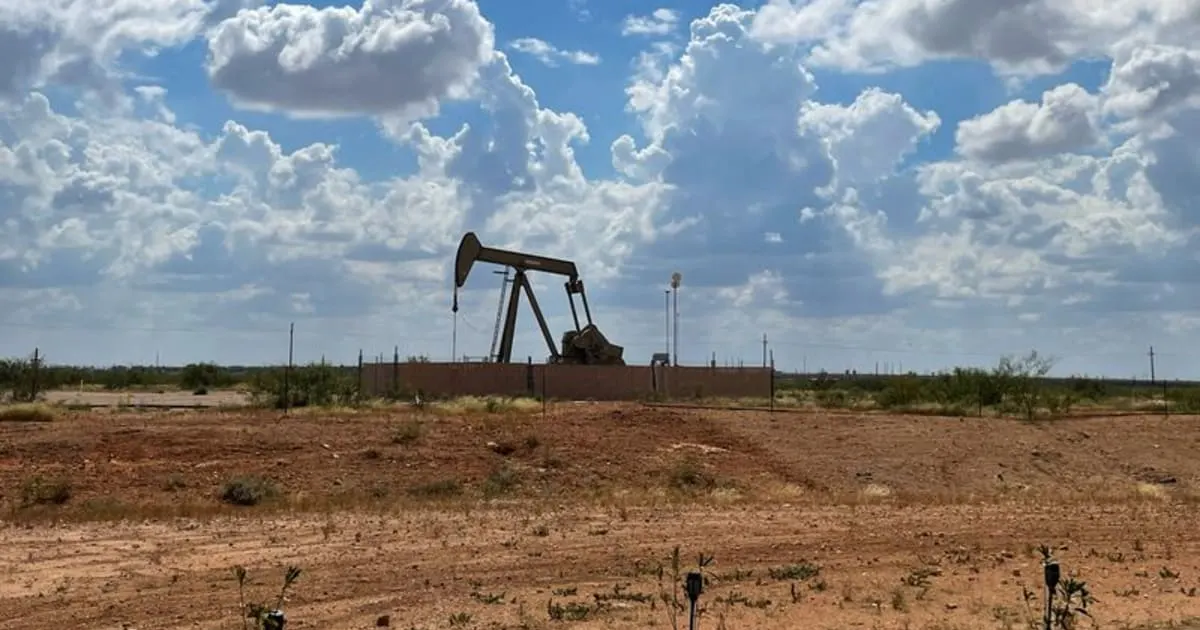
Oil prices surged about 20% on Monday to their highest since July 2022 as the expanding US-Israeli war with Iran disrupted Middle Eastern supplies. Iraq and Kuwait began cutting output after Qatar reduced LNG shipments, and analysts expect the UAE and Saudi Arabia to follow as storage fills.
Brent and WTI both traded above $107 a barrel.
Lost Middle East crude and fears of prolonged Strait of Hormuz disruption push energy costs sharply higher, raising diesel and transport costs for feed mills and farms. Higher energy prices also tend to lift biofuel-linked demand for vegetable oils and corn, supporting feed ingredient prices.
 channelnewsasia.com8 มี.ค. 2569
หลัง 626 เหตุการณ์ภูมิรัฐศาสตร์ที่ขาขึ้นในอดีต น้ำมันดิบ (WTI) เคลื่อนไหวเฉลี่ย +2.1% ใน 5 วันทำการ (62% สูงขึ้น; ช่วงกลาง -2.3% ถึง +8.5%) และ +1.6% ใน 20 วัน.
หลัง 656 เหตุการณ์ภูมิรัฐศาสตร์ที่ขาขึ้นในอดีต น้ำมันดิบ (Brent) เคลื่อนไหวเฉลี่ย +1.9% ใน 5 วันทำการ (63% สูงขึ้น; ช่วงกลาง -2.7% ถึง +6.6%) และ +0.7% ใน 20 วัน.
หลัง 250 เหตุการณ์ภูมิรัฐศาสตร์ที่ขาขึ้นในอดีต ULSD / ดีเซล เคลื่อนไหวเฉลี่ย +1.7% ใน 5 วันทำการ (58% สูงขึ้น; ช่วงกลาง -3.6% ถึง +8.7%) และ +0.9% ใน 20 วัน.
หลัง 136 เหตุการณ์ภูมิรัฐศาสตร์ที่ขาขึ้นในอดีต ก๊าซธรรมชาติ เคลื่อนไหวเฉลี่ย +2.7% ใน 5 วันทำการ (63% สูงขึ้น; ช่วงกลาง -1.8% ถึง +8.8%) และ +4.0% ใน 20 วัน.
การเคลื่อนไหวของราคาอ้างอิงของแต่ละสินค้านับจากการปิดตลาดครั้งสุดท้ายก่อนเหตุการณ์ ข้อมูลย้อนหลังรวมเหตุการณ์ชนิดเดียวกันในอดีต ซึ่งบอกสิ่งที่เกิดขึ้น ไม่ได้บอกสิ่งที่จะเกิด ไม่ใช่คำแนะนำการลงทุน
Prices surged about 20% as Iraq and Kuwait cut output and storage filled, adding to the supply shock.
