กำลังโหลด…
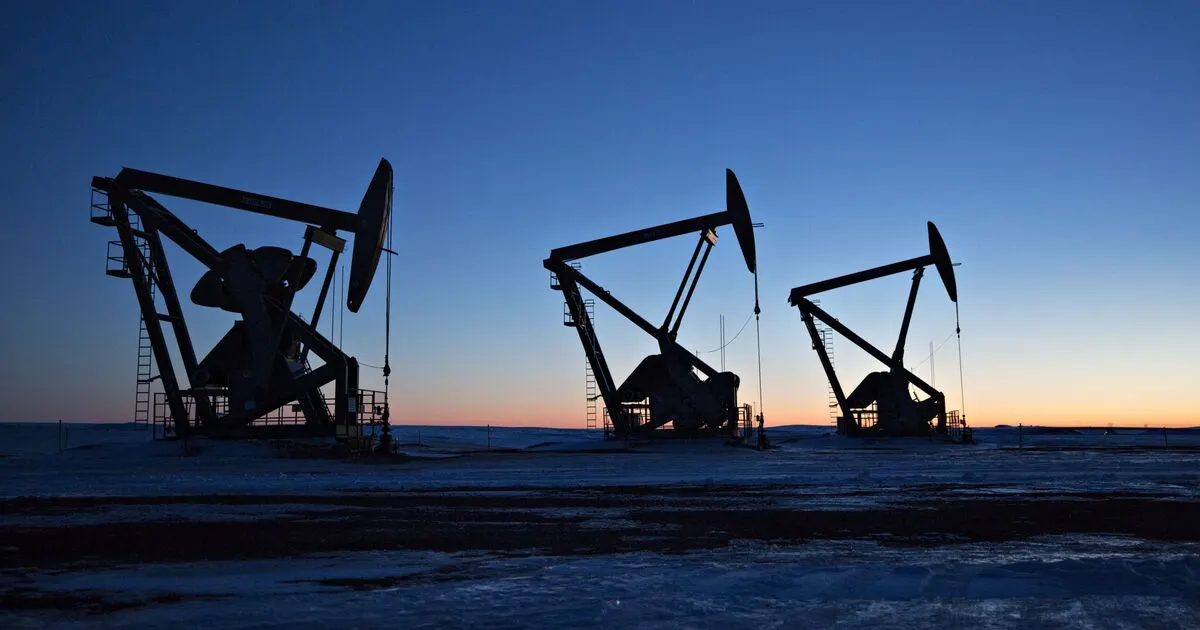
Citigroup's head of commodities research attributed the collapse in crude since early October to the State Department's shifting stance on Iran sanctions, President Trump's tweets about OPEC supply, the trade war with China, and rapid growth in U.S. shale output. These factors are all cited as drivers of the price drop.
Policy signals and shale supply growth point to a longer period of ample crude, which tends to weigh on energy input costs and biofuel-linked demand for feedstocks.
 bloomberg.comDan Murtaugh15 พ.ย. 2561
หลัง 255 เหตุการณ์ภูมิรัฐศาสตร์ที่ขาลงในอดีต น้ำมันดิบ (WTI) เคลื่อนไหวเฉลี่ย -2.4% ใน 5 วันทำการ (31% สูงขึ้น; ช่วงกลาง -7.0% ถึง +1.7%) และ -5.0% ใน 20 วัน.
หลัง 250 เหตุการณ์ภูมิรัฐศาสตร์ที่ขาลงในอดีต น้ำมันดิบ (Brent) เคลื่อนไหวเฉลี่ย -3.1% ใน 5 วันทำการ (36% สูงขึ้น; ช่วงกลาง -7.9% ถึง +1.6%) และ -5.5% ใน 20 วัน.
การเคลื่อนไหวของราคาอ้างอิงของแต่ละสินค้านับจากการปิดตลาดครั้งสุดท้ายก่อนเหตุการณ์ ข้อมูลย้อนหลังรวมเหตุการณ์ชนิดเดียวกันในอดีต ซึ่งบอกสิ่งที่เกิดขึ้น ไม่ได้บอกสิ่งที่จะเกิด ไม่ใช่คำแนะนำการลงทุน
Citi attributes the crude collapse to Iran sanctions waivers, Trump's OPEC tweets, trade war and shale growth, which together weighed on supply/demand sentiment, though it describes the earlier slide rather than the final week.
Identifies drivers of the multi-week slump (softer Iran sanctions stance, shale growth, trade war, Trump tweets on OPEC) that sustained bearish positioning, though dated a week before the move.
Cites shifted Iran sanctions stance, Trump's OPEC tweets, trade war and US shale growth as causes, which broadly explain the decline but it is dated after the window and is retrospective.
