กำลังโหลด…
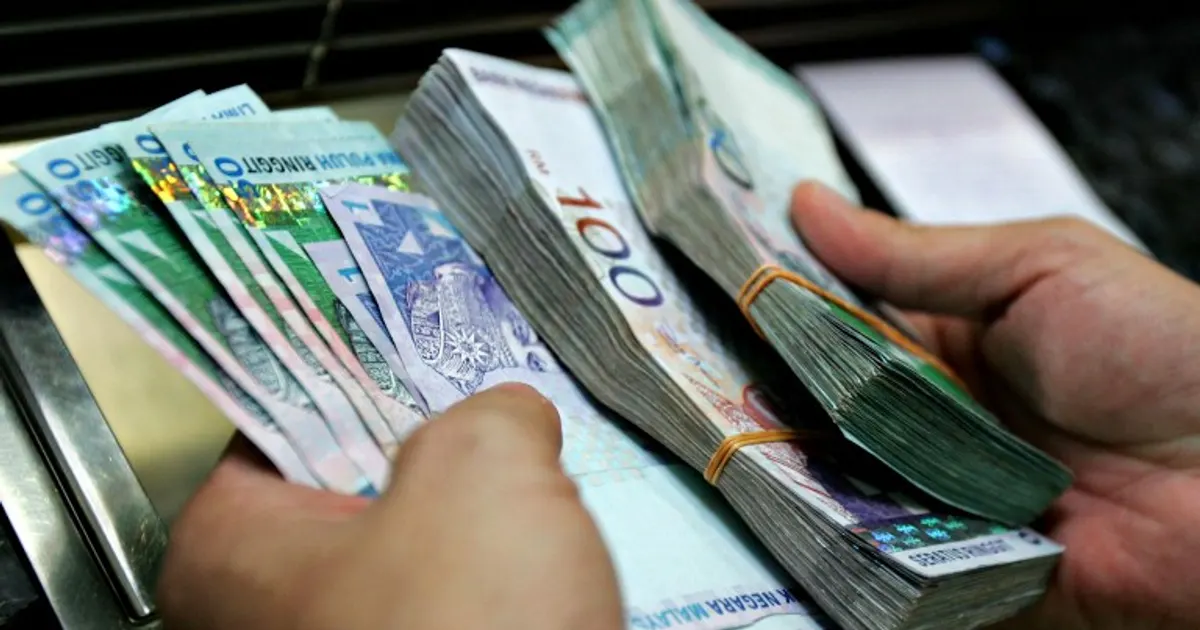
The ringgit had a mixed 2018, starting the year strong after climbing from a historic low, then weakening sharply in the second quarter. Analysts attribute the swings mainly to external drivers such as trade tensions, emerging market stress, Fed hike expectations, crude oil moves and US dollar strength.
A weaker ringgit lowers the cost of Malaysian palm oil in dollar terms for buyers, which can support palm-based feed ingredients, while currency swings feed into landed feed costs.
 malaymail.com31 ธ.ค. 2561
ยังมีเหตุการณ์ในอดีตที่เทียบได้ไม่เพียงพอสำหรับการอ่านข้อมูลย้อนหลัง
หลัง 86 เหตุการณ์มหภาคที่เป็นกลางในอดีต น้ำมันปาล์ม เคลื่อนไหวเฉลี่ย +0.3% ใน 5 วันทำการ (56% สูงขึ้น; ช่วงกลาง -1.6% ถึง +2.0%) และ +1.0% ใน 20 วัน.
การเคลื่อนไหวของราคาอ้างอิงของแต่ละสินค้านับจากการปิดตลาดครั้งสุดท้ายก่อนเหตุการณ์ ข้อมูลย้อนหลังรวมเหตุการณ์ชนิดเดียวกันในอดีต ซึ่งบอกสิ่งที่เกิดขึ้น ไม่ได้บอกสิ่งที่จะเกิด ไม่ใช่คำแนะนำการลงทุน
