กำลังโหลด…
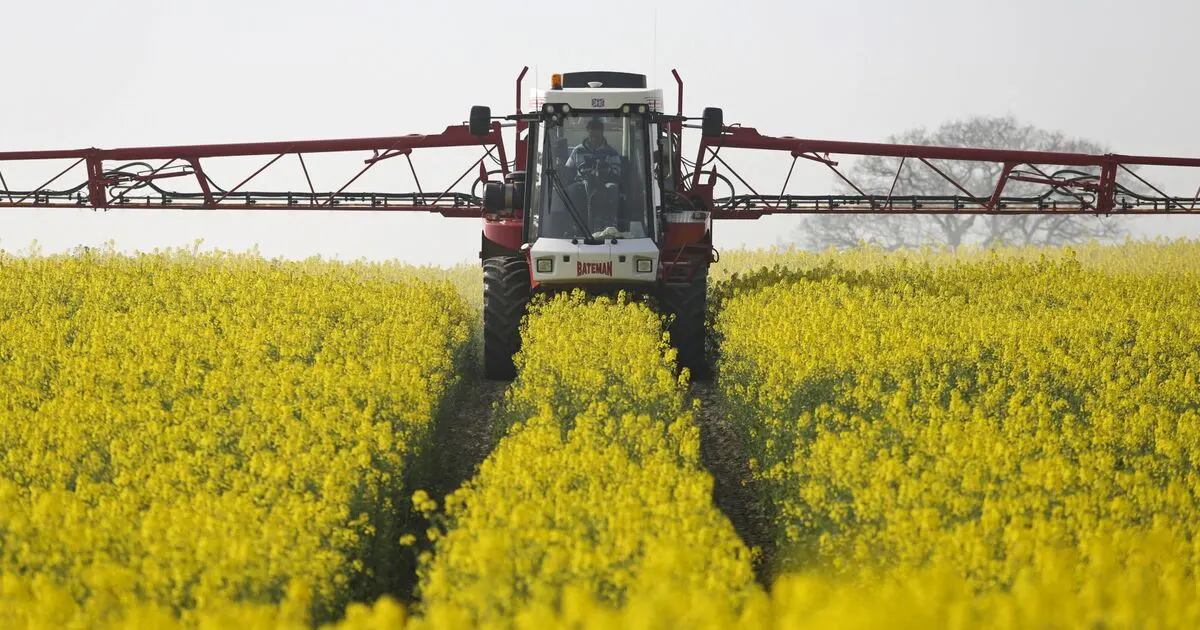
Fertilizer prices have reached a nine-year high as global inflation pushes up input costs. Higher freight rates, increased tariffs, rising energy costs and constrained supplies of nitrogen, potash and phosphate are all contributing.
Growers are applying more fertilizer as corn and wheat values have risen.
Higher fertilizer costs raise the cost of grain production, supporting crop prices and feeding through to feed input costs over time. Elevated nitrogen, potash and phosphate prices also squeeze farm margins and may reduce future planted acreage.
 bloomberg.comElizabeth Elkin27 ส.ค. 2564
หลัง 92 เหตุการณ์มหภาคที่ขาขึ้นในอดีต ยูเรีย เคลื่อนไหวเฉลี่ย +0.0% ใน 5 วันทำการ (50% สูงขึ้น; ช่วงกลาง -2.0% ถึง +3.6%) และ +4.8% ใน 20 วัน.
ยังมีเหตุการณ์ในอดีตที่เทียบได้ไม่เพียงพอสำหรับการอ่านข้อมูลย้อนหลัง
หลัง 28 เหตุการณ์มหภาคที่ขาขึ้นในอดีต DAP เคลื่อนไหวเฉลี่ย -0.2% ใน 5 วันทำการ (36% สูงขึ้น; ช่วงกลาง -0.9% ถึง +1.3%) และ -0.8% ใน 20 วัน.
การเคลื่อนไหวของราคาอ้างอิงของแต่ละสินค้านับจากการปิดตลาดครั้งสุดท้ายก่อนเหตุการณ์ ข้อมูลย้อนหลังรวมเหตุการณ์ชนิดเดียวกันในอดีต ซึ่งบอกสิ่งที่เกิดขึ้น ไม่ได้บอกสิ่งที่จะเกิด ไม่ใช่คำแนะนำการลงทุน
Bloomberg reported fertilizer prices at a nine-year high on higher freight, energy costs and tight phosphate supply, which directly supports DAP price strength on the day of the move.
Bloomberg reported fertilizer prices at a nine-year high on inflation, freight, energy and tight phosphate supply, which fits the DAP price rise, though it was published a day after the move ended.
