กำลังโหลด…
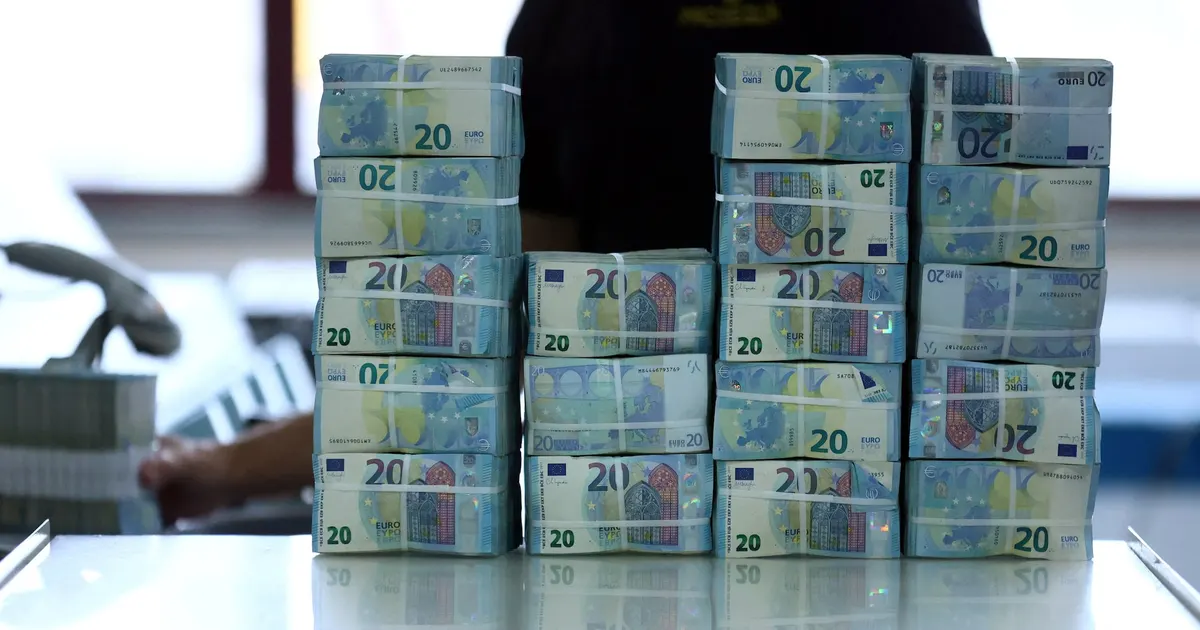
The euro rose to about $1.07, its highest in four months, after the parties forming Germany's next government agreed to overhaul the debt brake. The plan exempts defence spending above 1% of GDP and creates a 500 billion euro infrastructure fund.
Large German fiscal expansion strengthens the euro and eases pressure on European growth, while tariff risks remain. For feed buyers, a firmer euro and stronger European demand for energy and inputs shape import costs and currency-linked prices.
 reuters.comHarry Robertson5 มี.ค. 2568
หลัง 388 เหตุการณ์มหภาคที่ขาขึ้นในอดีต ยูโร (USD ต่อ EUR) เคลื่อนไหวเฉลี่ย +0.3% ใน 5 วันทำการ (62% สูงขึ้น; ช่วงกลาง -0.4% ถึง +1.1%) และ +0.1% ใน 20 วัน.
หลัง 1,637 เหตุการณ์มหภาคที่ขาลงในอดีต ดอลลาร์สหรัฐ (ดัชนีกว้าง) เคลื่อนไหวเฉลี่ย -0.2% ใน 5 วันทำการ (39% สูงขึ้น; ช่วงกลาง -0.6% ถึง +0.3%) และ -0.2% ใน 20 วัน.
การเคลื่อนไหวของราคาอ้างอิงของแต่ละสินค้านับจากการปิดตลาดครั้งสุดท้ายก่อนเหตุการณ์ ข้อมูลย้อนหลังรวมเหตุการณ์ชนิดเดียวกันในอดีต ซึ่งบอกสิ่งที่เกิดขึ้น ไม่ได้บอกสิ่งที่จะเกิด ไม่ใช่คำแนะนำการลงทุน
Dated on the move day, it reports the euro jumping to about $1.07 after Germany agreed to overhaul the debt brake and create a 500bn euro fund, the main driver of the 2.2% gain.
German debt brake overhaul and 500bn euro fund on March 5 pushed the euro to about $1.07, which mechanically weighed on the broad dollar.
German debt brake overhaul and 500bn euro infrastructure fund sent EUR sharply higher, the main driver of broad dollar weakness via the heavily weighted euro.
The euro rose to about $1.07, a four-month high, as the German debt brake overhaul unwound parity bets, a major driver of the move.
