กำลังโหลด…
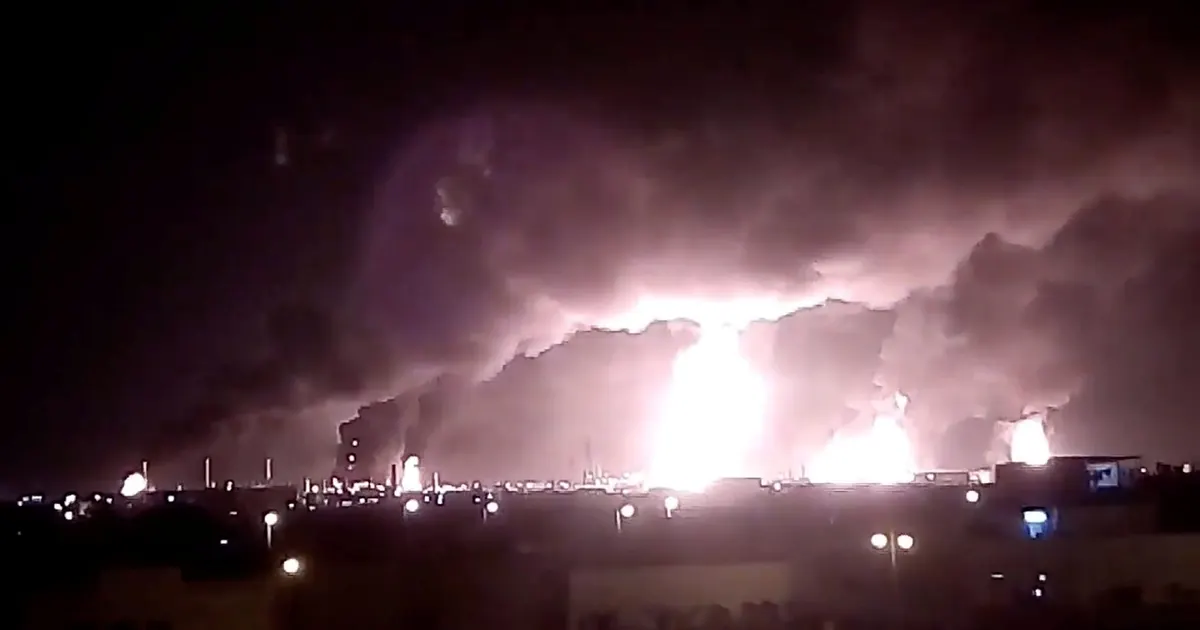
Following the attack on Saudi facilities, OPEC's global spare capacity cushion of about 3.21 million bpd was largely cut, with Saudi Arabia holding 2.27 million bpd of that. The remaining roughly 940,000 bpd is mostly held by Kuwait and the UAE, along with some in Iraq and Angola.
Analysts said those barrels would not be enough to fill the gap.
With little spare capacity left, any further supply disruption could send crude sharply higher, raising diesel, freight and fertilizer input costs. This raises the risk premium across energy-linked feed inputs.
 reuters.com16 ก.ย. 2562
หลัง 626 เหตุการณ์ภูมิรัฐศาสตร์ที่ขาขึ้นในอดีต น้ำมันดิบ (WTI) เคลื่อนไหวเฉลี่ย +2.1% ใน 5 วันทำการ (62% สูงขึ้น; ช่วงกลาง -2.3% ถึง +8.5%) และ +1.6% ใน 20 วัน.
หลัง 656 เหตุการณ์ภูมิรัฐศาสตร์ที่ขาขึ้นในอดีต น้ำมันดิบ (Brent) เคลื่อนไหวเฉลี่ย +1.9% ใน 5 วันทำการ (63% สูงขึ้น; ช่วงกลาง -2.7% ถึง +6.6%) และ +0.7% ใน 20 วัน.
หลัง 250 เหตุการณ์ภูมิรัฐศาสตร์ที่ขาขึ้นในอดีต ULSD / ดีเซล เคลื่อนไหวเฉลี่ย +1.7% ใน 5 วันทำการ (58% สูงขึ้น; ช่วงกลาง -3.6% ถึง +8.7%) และ +0.9% ใน 20 วัน.
การเคลื่อนไหวของราคาอ้างอิงของแต่ละสินค้านับจากการปิดตลาดครั้งสุดท้ายก่อนเหตุการณ์ ข้อมูลย้อนหลังรวมเหตุการณ์ชนิดเดียวกันในอดีต ซึ่งบอกสิ่งที่เกิดขึ้น ไม่ได้บอกสิ่งที่จะเกิด ไม่ใช่คำแนะนำการลงทุน
The loss of OPEC spare capacity left little buffer against the outage, supporting higher prices.
