กำลังโหลด…
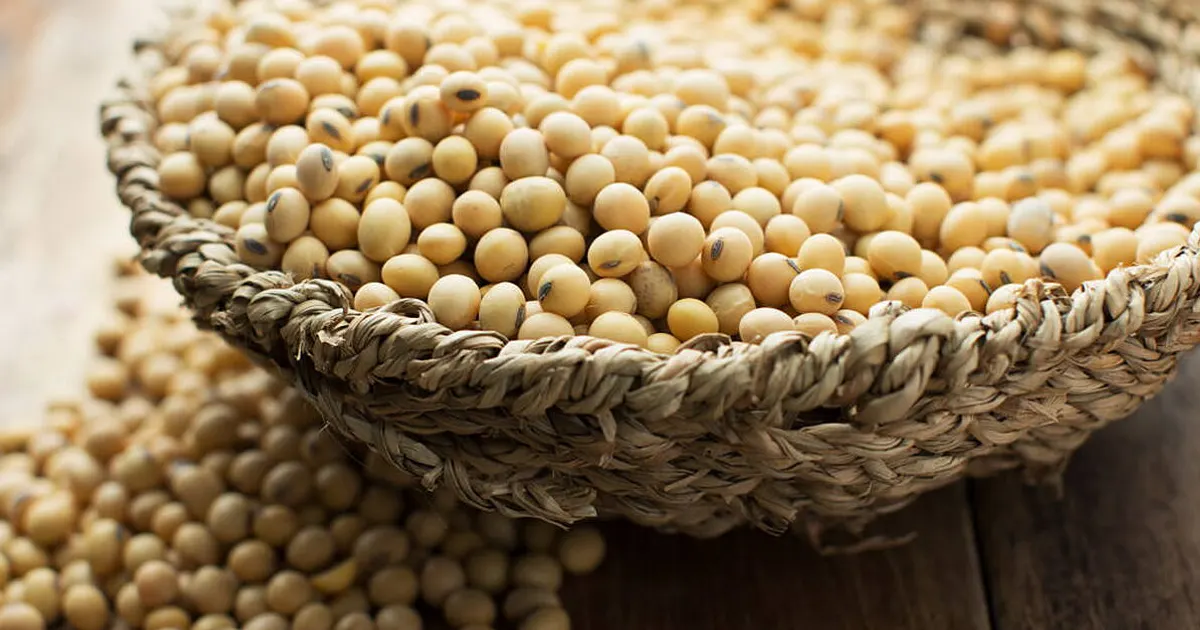
China's soyoil prices rallied to their highest in more than two years in early November as consumers shifted to vegetable oils amid a national pork shortage from African swine fever. Tianjin soybean oil reached 6,500 yuan per tonne on November 4, its highest since March 2017.
Low soybean inventories, slowed imports amid US tariffs, also supported prices.
Pork shortages are boosting demand for vegetable oils and substitute proteins while tight soyoil stocks limit supply, supporting soyoil and palm oil prices and adding to feed-protein demand uncertainty.
 esmmagazine.comDayeeta Das5 พ.ย. 2562
หลัง 13 เหตุการณ์ โรคระบาดในอดีต น้ำมันถั่วเหลือง เคลื่อนไหวเฉลี่ย -0.3% ใน 5 วันทำการ (38% สูงขึ้น; ช่วงกลาง -2.3% ถึง +1.2%) และ -4.6% ใน 20 วัน.
หลัง 16 เหตุการณ์ โรคระบาดในอดีต น้ำมันปาล์ม เคลื่อนไหวเฉลี่ย +0.3% ใน 5 วันทำการ (56% สูงขึ้น; ช่วงกลาง -3.2% ถึง +1.5%) และ -7.7% ใน 20 วัน.
หลัง 12 เหตุการณ์โรคระบาดที่ขาขึ้นในอดีต ถั่วเหลือง เคลื่อนไหวเฉลี่ย -0.5% ใน 5 วันทำการ (42% สูงขึ้น; ช่วงกลาง -1.6% ถึง +0.1%) และ +0.5% ใน 20 วัน.
หลัง 69 เหตุการณ์โรคระบาดที่เป็นกลางในอดีต โคมีชีวิต เคลื่อนไหวเฉลี่ย -0.1% ใน 5 วันทำการ (42% สูงขึ้น; ช่วงกลาง -0.8% ถึง +0.6%) และ +0.9% ใน 20 วัน.
การเคลื่อนไหวของราคาอ้างอิงของแต่ละสินค้านับจากการปิดตลาดครั้งสุดท้ายก่อนเหตุการณ์ ข้อมูลย้อนหลังรวมเหตุการณ์ชนิดเดียวกันในอดีต ซึ่งบอกสิ่งที่เกิดขึ้น ไม่ได้บอกสิ่งที่จะเกิด ไม่ใช่คำแนะนำการลงทุน
Chinese soyoil at two-year highs on pork shortage and low soy stocks lifts the vegetable oil complex and palm demand.
