กำลังโหลด…
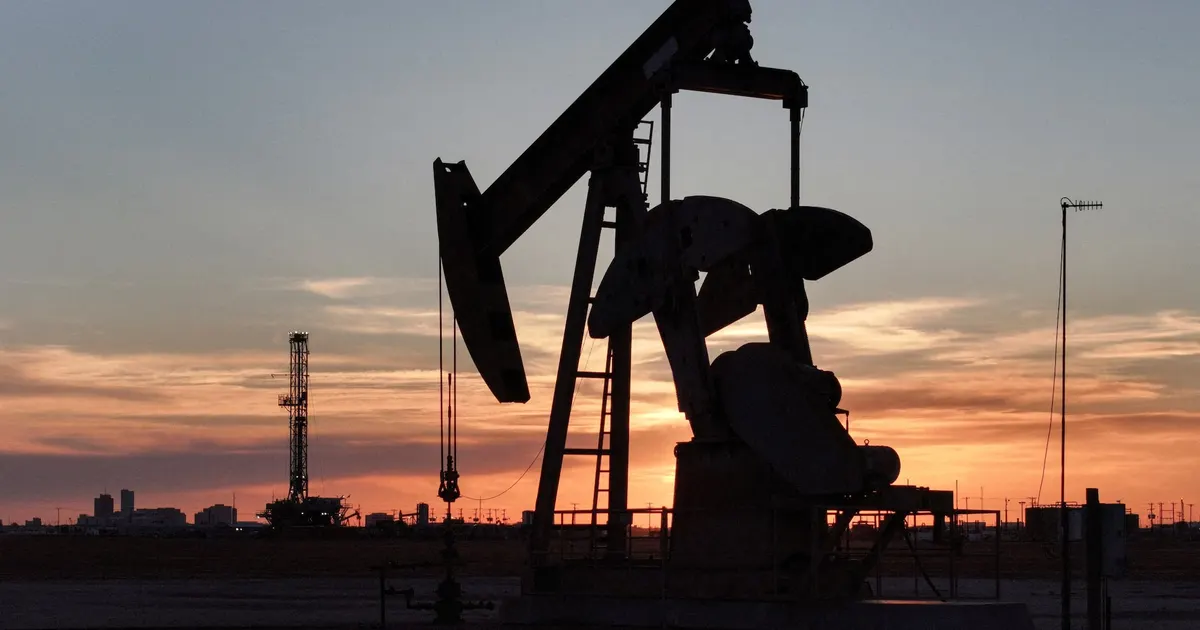
Oil settled up nearly 5% as fresh attacks on ships in the Strait of Hormuz pushed the number of vessels struck to at least 14. Shipping through the strait has nearly stopped since the US and Israel began strikes on Iran on February 28.
The IEA recommended a record 400 million barrel stock release to curb prices.
Disrupted Hormuz shipping removes about a fifth of world oil supply, keeping crude and diesel costs elevated. The record IEA stock release partly offsets supply losses, but ongoing attacks support higher energy and freight costs for feed producers.
 reuters.comShariq Khan10 มี.ค. 2569
หลัง 626 เหตุการณ์ภูมิรัฐศาสตร์ที่ขาขึ้นในอดีต น้ำมันดิบ (WTI) เคลื่อนไหวเฉลี่ย +2.1% ใน 5 วันทำการ (62% สูงขึ้น; ช่วงกลาง -2.3% ถึง +8.5%) และ +1.6% ใน 20 วัน.
หลัง 656 เหตุการณ์ภูมิรัฐศาสตร์ที่ขาขึ้นในอดีต น้ำมันดิบ (Brent) เคลื่อนไหวเฉลี่ย +1.9% ใน 5 วันทำการ (63% สูงขึ้น; ช่วงกลาง -2.7% ถึง +6.6%) และ +0.7% ใน 20 วัน.
หลัง 250 เหตุการณ์ภูมิรัฐศาสตร์ที่ขาขึ้นในอดีต ULSD / ดีเซล เคลื่อนไหวเฉลี่ย +1.7% ใน 5 วันทำการ (58% สูงขึ้น; ช่วงกลาง -3.6% ถึง +8.7%) และ +0.9% ใน 20 วัน.
ยังมีเหตุการณ์ในอดีตที่เทียบได้ไม่เพียงพอสำหรับการอ่านข้อมูลย้อนหลัง
การเคลื่อนไหวของราคาอ้างอิงของแต่ละสินค้านับจากการปิดตลาดครั้งสุดท้ายก่อนเหตุการณ์ ข้อมูลย้อนหลังรวมเหตุการณ์ชนิดเดียวกันในอดีต ซึ่งบอกสิ่งที่เกิดขึ้น ไม่ได้บอกสิ่งที่จะเกิด ไม่ใช่คำแนะนำการลงทุน
Oil settled up ~5% as attacks on ships in Hormuz mounted, adding supply-risk premium despite the record IEA stock release plan.
Oil rose nearly 5% on Mar 10 as attacks on ships in Hormuz mounted (at least 14 vessels struck), adding risk premium that carried into diesel despite the IEA stock release plan.
Oil settled up nearly 5% as ships were attacked in Hormuz, adding to crude and diesel gains during the window.
Attacks on ships in Hormuz (14+ vessels struck) on Mar 10 show the escalating supply risk that carried into Mar 12, partly offset by the stock release plan.
ดูเวอร์ชัน 29 วินาที · Oil settles up nearly 5% as Hormuz attacks hit 14 ships: what it means for feed costs
