กำลังโหลด…
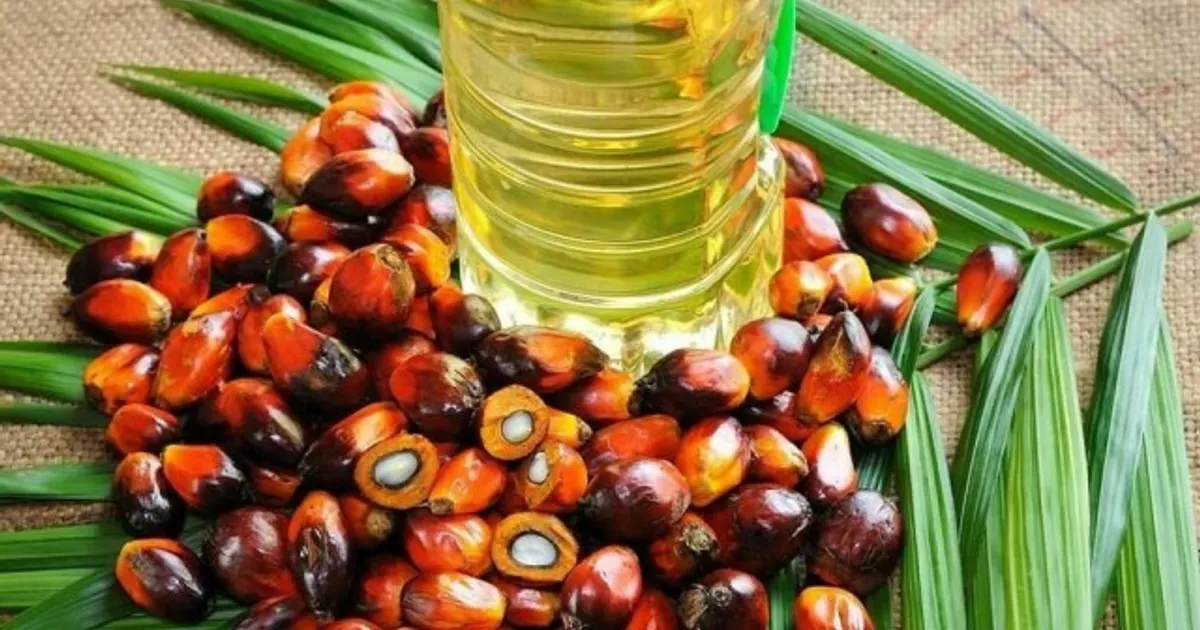
Malaysian palm oil futures plunged as much as 9.8% on March 14, erasing part of a recent gain of about 20%. The drop followed weaker Dalian oils and crude, and Argentina's halt on soy oil and meal registrations.
Argentina's export halt is seen as slightly bearish since traders expect higher export taxes that would lower local prices, while falling crude and rival oils pressure palm prices.
 brecorder.comReuters14 มี.ค. 2565
หลัง 12 เหตุการณ์ภูมิรัฐศาสตร์ที่ขาลงในอดีต น้ำมันปาล์ม เคลื่อนไหวเฉลี่ย -4.5% ใน 5 วันทำการ (17% สูงขึ้น; ช่วงกลาง -5.9% ถึง -2.3%) และ -6.2% ใน 20 วัน.
หลัง 28 เหตุการณ์ภูมิรัฐศาสตร์ที่ขาลงในอดีต น้ำมันถั่วเหลือง เคลื่อนไหวเฉลี่ย -2.7% ใน 5 วันทำการ (21% สูงขึ้น; ช่วงกลาง -8.3% ถึง -0.7%) และ -2.1% ใน 20 วัน.
หลัง 62 เหตุการณ์ ภูมิรัฐศาสตร์ในอดีต กากถั่วเหลือง เคลื่อนไหวเฉลี่ย -0.1% ใน 5 วันทำการ (47% สูงขึ้น; ช่วงกลาง -2.4% ถึง +3.0%) และ -0.4% ใน 20 วัน.
หลัง 255 เหตุการณ์ภูมิรัฐศาสตร์ที่ขาลงในอดีต น้ำมันดิบ (WTI) เคลื่อนไหวเฉลี่ย -2.4% ใน 5 วันทำการ (31% สูงขึ้น; ช่วงกลาง -7.0% ถึง +1.7%) และ -5.0% ใน 20 วัน.
การเคลื่อนไหวของราคาอ้างอิงของแต่ละสินค้านับจากการปิดตลาดครั้งสุดท้ายก่อนเหตุการณ์ ข้อมูลย้อนหลังรวมเหตุการณ์ชนิดเดียวกันในอดีต ซึ่งบอกสิ่งที่เกิดขึ้น ไม่ได้บอกสิ่งที่จะเกิด ไม่ใช่คำแนะนำการลงทุน
A near-10% plunge in Malaysian palm oil on March 14 on weaker Dalian oils and crude dragged on competing vegetable oils such as soybean oil via substitution and sentiment, even as the Argentina halt had been expected to be supportive.
Malaysian palm oil plunged nearly 10% on March 14 as Dalian oils and crude weakened, dragging competing vegetable oils such as soybean oil lower through substitution and sentiment.
Palm plunged nearly 10% on weaker Dalian oils and crude, signalling vegoil-complex liquidation after a ~20% rally that likely carried into soybean oil.
