กำลังโหลด…
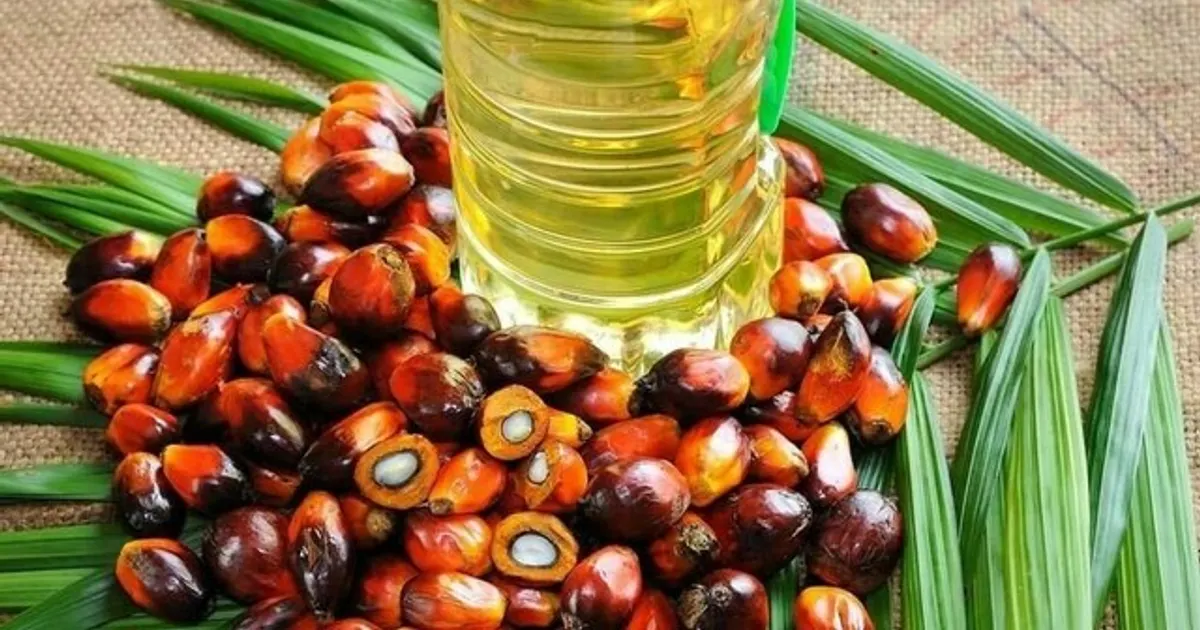
Malaysian palm oil futures fell as much as 5.7% on March 15, extending losses to a fourth session. Weaker crude, speculative selling and COVID-19 cases surging in China, a key buyer, weighed on prices.
Weaker demand from China and lower crude prices pressure palm oil and related vegetable oils, while Indonesia's export rule changes remain a watch point for supply.
 brecorder.comReuters16 มี.ค. 2565
หลัง 51 เหตุการณ์มหภาคที่ขาลงในอดีต น้ำมันปาล์ม เคลื่อนไหวเฉลี่ย -1.3% ใน 5 วันทำการ (35% สูงขึ้น; ช่วงกลาง -4.1% ถึง +1.1%) และ -1.8% ใน 20 วัน.
หลัง 40 เหตุการณ์มหภาคที่ขาลงในอดีต น้ำมันถั่วเหลือง เคลื่อนไหวเฉลี่ย -0.8% ใน 5 วันทำการ (45% สูงขึ้น; ช่วงกลาง -4.5% ถึง +1.7%) และ -1.5% ใน 20 วัน.
หลัง 565 เหตุการณ์มหภาคที่ขาลงในอดีต น้ำมันดิบ (WTI) เคลื่อนไหวเฉลี่ย -1.4% ใน 5 วันทำการ (41% สูงขึ้น; ช่วงกลาง -5.9% ถึง +3.0%) และ -0.5% ใน 20 วัน.
การเคลื่อนไหวของราคาอ้างอิงของแต่ละสินค้านับจากการปิดตลาดครั้งสุดท้ายก่อนเหตุการณ์ ข้อมูลย้อนหลังรวมเหตุการณ์ชนิดเดียวกันในอดีต ซึ่งบอกสิ่งที่เกิดขึ้น ไม่ได้บอกสิ่งที่จะเกิด ไม่ใช่คำแนะนำการลงทุน
Palm's continued losses through March 15 on weaker crude, speculative selling and China COVID demand worries extended the vegetable oil selloff and weighed on soybean oil.
Palm oil extended losses to a fourth session on March 15 on weak crude, speculative selling and China COVID concerns, and palm weakness spills into soybean oil as a close substitute, which fits a sharp drop in mid-March.
