กำลังโหลด…
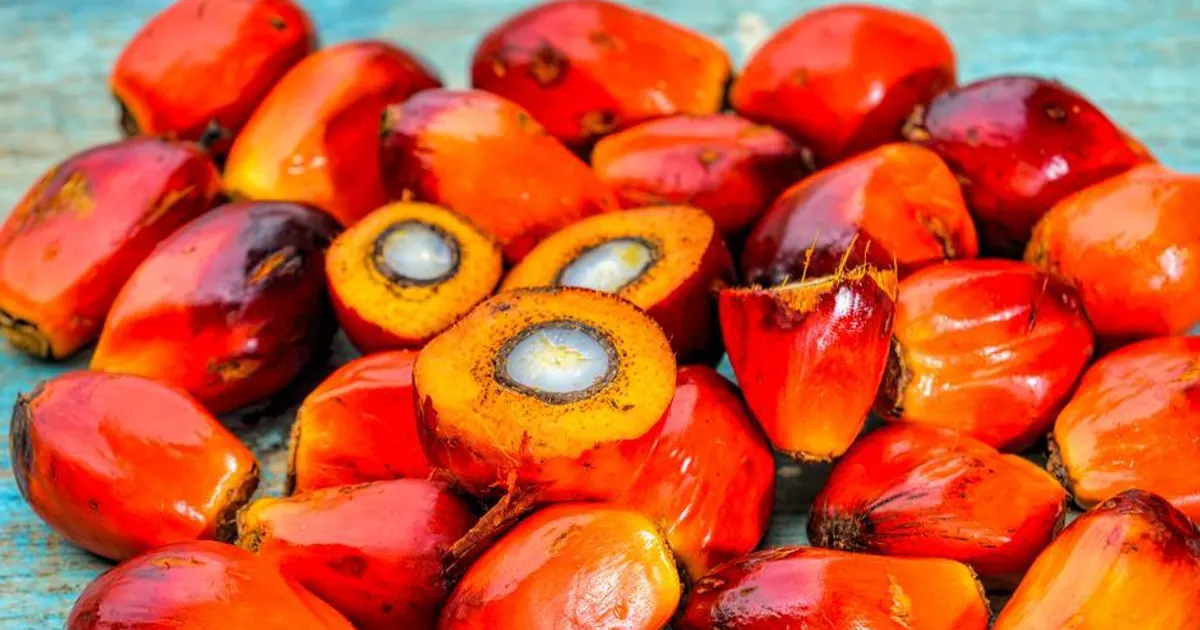
Palm oil prices fell about 10% in the week to March 13 as crude oil sold off after a Saudi-Russia price war and US travel restrictions on Europe. Palm is down 27% from its January peak, trading near 2,281 ringgit per tonne.
Analysts note that softer food-service demand in China is shifting use toward soyoil.
Lower crude weakens biodiesel-linked palm demand, while shifts from palm to soyoil in food use reshape vegoil spreads for feed buyers.
 thegrocer.co.ukHarry Holmes13 มี.ค. 2563
หลัง 51 เหตุการณ์มหภาคที่ขาลงในอดีต น้ำมันปาล์ม เคลื่อนไหวเฉลี่ย -1.3% ใน 5 วันทำการ (35% สูงขึ้น; ช่วงกลาง -4.1% ถึง +1.1%) และ -1.8% ใน 20 วัน.
หลัง 28 เหตุการณ์มหภาคที่ขาขึ้นในอดีต น้ำมันถั่วเหลือง เคลื่อนไหวเฉลี่ย -1.2% ใน 5 วันทำการ (32% สูงขึ้น; ช่วงกลาง -2.1% ถึง +1.8%) และ -2.3% ใน 20 วัน.
หลัง 312 เหตุการณ์มหภาคที่ขาลงในอดีต น้ำมันดิบ (Brent) เคลื่อนไหวเฉลี่ย -1.7% ใน 5 วันทำการ (38% สูงขึ้น; ช่วงกลาง -5.4% ถึง +2.3%) และ -1.7% ใน 20 วัน.
การเคลื่อนไหวของราคาอ้างอิงของแต่ละสินค้านับจากการปิดตลาดครั้งสุดท้ายก่อนเหตุการณ์ ข้อมูลย้อนหลังรวมเหตุการณ์ชนิดเดียวกันในอดีต ซึ่งบอกสิ่งที่เกิดขึ้น ไม่ได้บอกสิ่งที่จะเกิด ไม่ใช่คำแนะนำการลงทุน
Palm fell about 10% in the week to March 13 on the crude sell-off, and weaker Chinese food-service demand adds to the pressure; the week overlaps the window.
