กำลังโหลด…
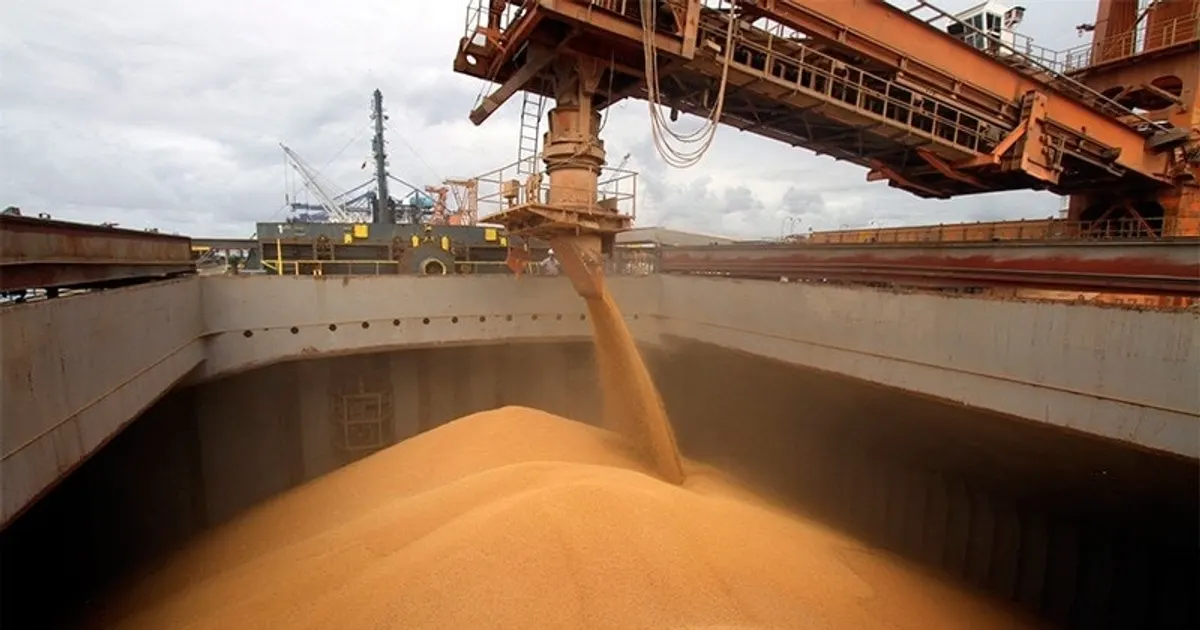
Argentina's grain receivers union Urgara announced a port work stoppage from March 19 to March 25, arguing grain classification is not essential under the COVID-19 isolation decree. Business chambers warned the strike could jeopardize loading of 18 ships carrying about 2.2 million tonnes of grain, and a mandatory conciliation by the Labor Ministry was expected.
Disrupted port loadings delay Argentine soybean, meal and corn export flows, tightening nearby supplies and supporting meal and oil prices while shipments are held up.
 aduananews.comAduanaNews21 มี.ค. 2563
หลัง 167 เหตุการณ์โลจิสติกส์ที่ขาขึ้นในอดีต กากถั่วเหลือง เคลื่อนไหวเฉลี่ย +0.5% ใน 5 วันทำการ (54% สูงขึ้น; ช่วงกลาง -1.8% ถึง +2.9%) และ -1.2% ใน 20 วัน.
หลัง 206 เหตุการณ์โลจิสติกส์ที่ขาขึ้นในอดีต ถั่วเหลือง เคลื่อนไหวเฉลี่ย +0.5% ใน 5 วันทำการ (56% สูงขึ้น; ช่วงกลาง -1.3% ถึง +2.6%) และ +1.4% ใน 20 วัน.
หลัง 285 เหตุการณ์โลจิสติกส์ที่ขาขึ้นในอดีต ข้าวโพด เคลื่อนไหวเฉลี่ย +0.1% ใน 5 วันทำการ (52% สูงขึ้น; ช่วงกลาง -1.5% ถึง +1.5%) และ +0.8% ใน 20 วัน.
การเคลื่อนไหวของราคาอ้างอิงของแต่ละสินค้านับจากการปิดตลาดครั้งสุดท้ายก่อนเหตุการณ์ ข้อมูลย้อนหลังรวมเหตุการณ์ชนิดเดียวกันในอดีต ซึ่งบอกสิ่งที่เกิดขึ้น ไม่ได้บอกสิ่งที่จะเกิด ไม่ใช่คำแนะนำการลงทุน
Argentine port grain receivers' strike (Mar 19-25) put loading of 18 ships and 2.2 Mt at risk, tightening soymeal export supply.
The Argentine port strike threatened loading of 18 ships carrying about 2.2 million tonnes of grain, which would cut the supply reaching export markets and support US soybean prices.
Argentine grain receivers' port strike from March 19 threatened loading of 18 ships, which implies tighter soymeal export supply from the world's top exporter and supports prices.
The Argentine port strike was set to end March 25 with mandatory conciliation expected, so easing supply fears could remove the premium.
