กำลังโหลด…
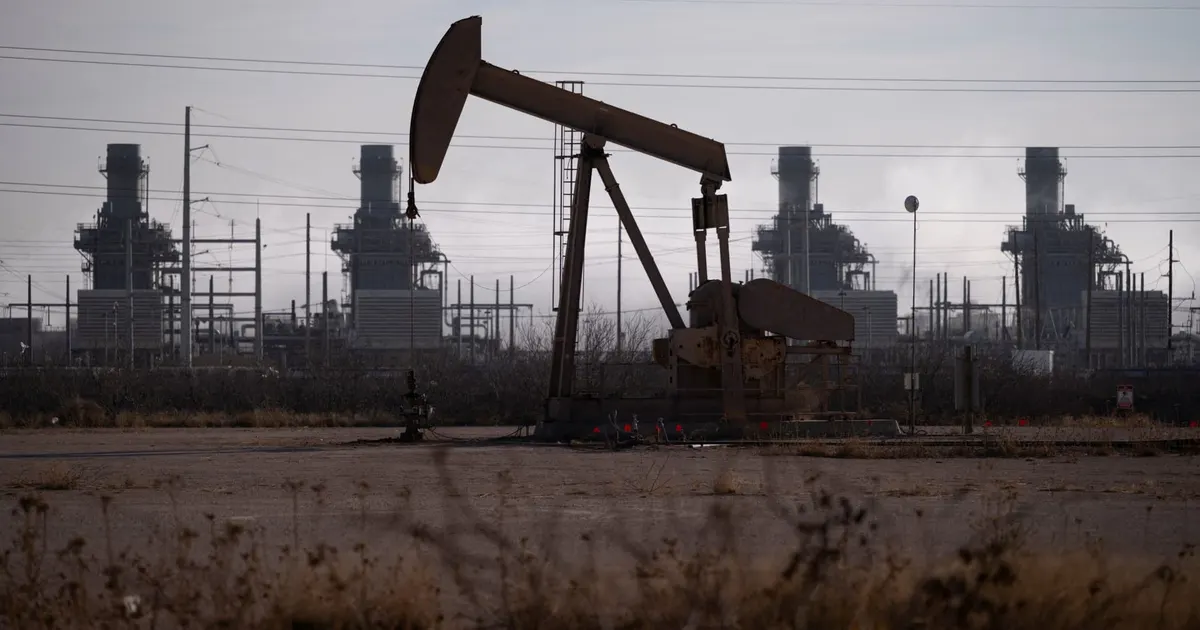
U.S. crude posted its biggest weekly gain in futures history, rising about 35% to $90.90, while Brent gained about 28% for its biggest weekly gain since April 2020. The surge followed Trump's demand for Iran's unconditional surrender and Qatar's warning that Gulf exports could halt if Hormuz tankers cannot pass.
A near standstill in Hormuz traffic threatens global fuel supply, pushing up energy, fertilizer and freight costs that squeeze feed margins and could lift vegetable oil prices through biofuel demand.
 cnbc.comSpencer Kimball, Chloe Taylor, Sam Meredith6 มี.ค. 2569
หลัง 626 เหตุการณ์ภูมิรัฐศาสตร์ที่ขาขึ้นในอดีต น้ำมันดิบ (WTI) เคลื่อนไหวเฉลี่ย +2.1% ใน 5 วันทำการ (62% สูงขึ้น; ช่วงกลาง -2.3% ถึง +8.5%) และ +1.6% ใน 20 วัน.
หลัง 656 เหตุการณ์ภูมิรัฐศาสตร์ที่ขาขึ้นในอดีต น้ำมันดิบ (Brent) เคลื่อนไหวเฉลี่ย +1.9% ใน 5 วันทำการ (63% สูงขึ้น; ช่วงกลาง -2.7% ถึง +6.6%) และ +0.7% ใน 20 วัน.
หลัง 205 เหตุการณ์ภูมิรัฐศาสตร์ที่ขาขึ้นในอดีต ยูเรีย เคลื่อนไหวเฉลี่ย +0.4% ใน 5 วันทำการ (53% สูงขึ้น; ช่วงกลาง -2.1% ถึง +3.0%) และ -0.4% ใน 20 วัน.
ยังมีเหตุการณ์ในอดีตที่เทียบได้ไม่เพียงพอสำหรับการอ่านข้อมูลย้อนหลัง
การเคลื่อนไหวของราคาอ้างอิงของแต่ละสินค้านับจากการปิดตลาดครั้งสุดท้ายก่อนเหตุการณ์ ข้อมูลย้อนหลังรวมเหตุการณ์ชนิดเดียวกันในอดีต ซึ่งบอกสิ่งที่เกิดขึ้น ไม่ได้บอกสิ่งที่จะเกิด ไม่ใช่คำแนะนำการลงทุน
Documents the record weekly gain ending March 6 driven by Hormuz closure risk and Qatar's warning of halted Gulf exports.
US crude posted a record ~35% weekly gain to $90.90 as Hormuz disruption and Gulf export-halt warnings drove the move.
Dated March 6, it reports record weekly oil gains and cites Trump's surrender demand and Qatar's warning that Gulf exports could halt, which directly fits the Brent jump that day.
Weekly summary tied to Qatar's warning that Gulf exports could halt and Trump's demand for surrender, which are escalation catalysts adding to the late-week rally.
