กำลังโหลด…
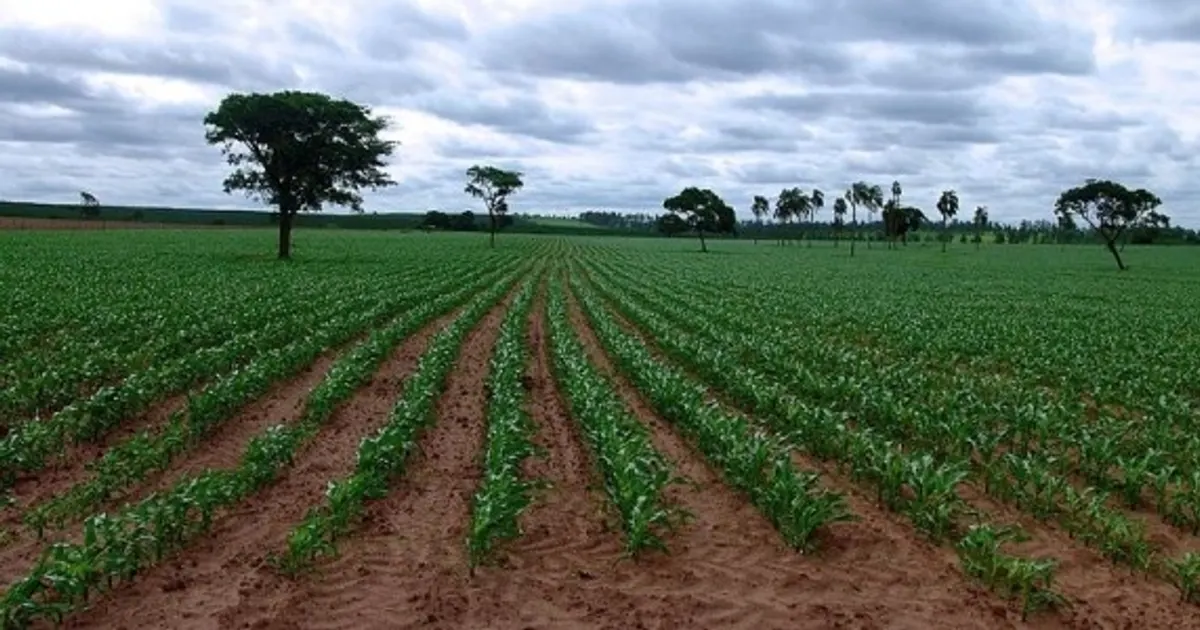
A study led by researchers at UNICAMP's Center for Environmental Studies, supported by FAPESP and the Belmont Forum, finds that climate change could expose Brazil's safrinha (second-crop) corn to extreme drought. The crop is planted after the summer soybean and corn harvest and grown between January and April in the Center-West, Southeast and South.
The findings point to rising risk for agribusiness productivity and export leadership.
A higher drought risk for Brazil's second-crop corn could tighten export supplies later in the year and support corn prices. The effect is long-term research rather than an immediate production shock, so the current price impact is limited.
 agencia.fapesp.brFAPESP15 ก.ค. 2563
หลัง 1,465 เหตุการณ์สภาพอากาศที่ขาขึ้นในอดีต ข้าวโพด เคลื่อนไหวเฉลี่ย +0.2% ใน 5 วันทำการ (54% สูงขึ้น; ช่วงกลาง -1.4% ถึง +1.9%) และ +0.9% ใน 20 วัน.
การเคลื่อนไหวของราคาอ้างอิงของแต่ละสินค้านับจากการปิดตลาดครั้งสุดท้ายก่อนเหตุการณ์ ข้อมูลย้อนหลังรวมเหตุการณ์ชนิดเดียวกันในอดีต ซึ่งบอกสิ่งที่เกิดขึ้น ไม่ได้บอกสิ่งที่จะเกิด ไม่ใช่คำแนะนำการลงทุน
