กำลังโหลด…
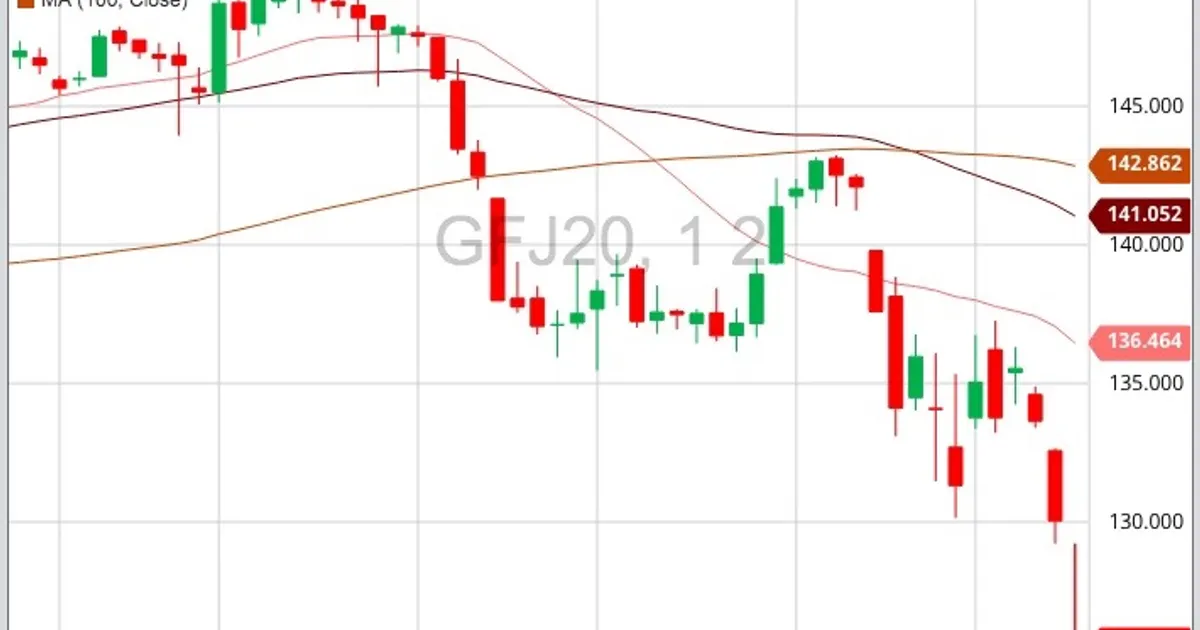
CME live and feeder cattle futures fell to life-of-contract lows on March 9, 2020, with feeder cattle limit down, after crude oil's biggest daily rout since 1991 as Saudi Arabia and Russia began a price war. The Dow fell over 2,000 points on recession fears tied to coronavirus.
Oil-driven equity selloff and fears of reduced consumer demand for beef push cattle values lower, weakening feedlot demand for feed.
 agcanada.comAGCanada9 มี.ค. 2563
หลัง 14 เหตุการณ์ ภูมิรัฐศาสตร์ในอดีต โคมีชีวิต เคลื่อนไหวเฉลี่ย -0.5% ใน 5 วันทำการ (21% สูงขึ้น; ช่วงกลาง -1.3% ถึง -0.0%) และ +0.2% ใน 20 วัน.
หลัง 10 เหตุการณ์ภูมิรัฐศาสตร์ที่ขาลงในอดีต โคขุน (Feeder) เคลื่อนไหวเฉลี่ย +0.1% ใน 5 วันทำการ (60% สูงขึ้น; ช่วงกลาง -1.9% ถึง +2.8%) และ +0.7% ใน 20 วัน.
หลัง 255 เหตุการณ์ภูมิรัฐศาสตร์ที่ขาลงในอดีต น้ำมันดิบ (WTI) เคลื่อนไหวเฉลี่ย -2.4% ใน 5 วันทำการ (31% สูงขึ้น; ช่วงกลาง -7.0% ถึง +1.7%) และ -5.0% ใน 20 วัน.
หลัง 250 เหตุการณ์ภูมิรัฐศาสตร์ที่ขาลงในอดีต น้ำมันดิบ (Brent) เคลื่อนไหวเฉลี่ย -3.1% ใน 5 วันทำการ (36% สูงขึ้น; ช่วงกลาง -7.9% ถึง +1.6%) และ -5.5% ใน 20 วัน.
การเคลื่อนไหวของราคาอ้างอิงของแต่ละสินค้านับจากการปิดตลาดครั้งสุดท้ายก่อนเหตุการณ์ ข้อมูลย้อนหลังรวมเหตุการณ์ชนิดเดียวกันในอดีต ซึ่งบอกสิ่งที่เกิดขึ้น ไม่ได้บอกสิ่งที่จะเกิด ไม่ใช่คำแนะนำการลงทุน
On March 9, 2020 CME live and feeder cattle fell to life-of-contract lows as the crude oil rout and a 2,000-point Dow drop on coronavirus recession fears drove a risk-off sentiment selloff in cattle futures.
On March 9 feeder futures went limit down as the oil price war and equity rout fueled recession fears, a sentiment shock inside the 5-day window.
March 9 crude oil collapse and equity rout pushed live and feeder cattle to contract lows with limit-down moves, a sentiment-driven selloff within the window.
Earlier March 9 selloff tied to the oil rout and equity crash shows the macro risk-off channel that pressured feeder futures and likely carried into March 12.
