กำลังโหลด…
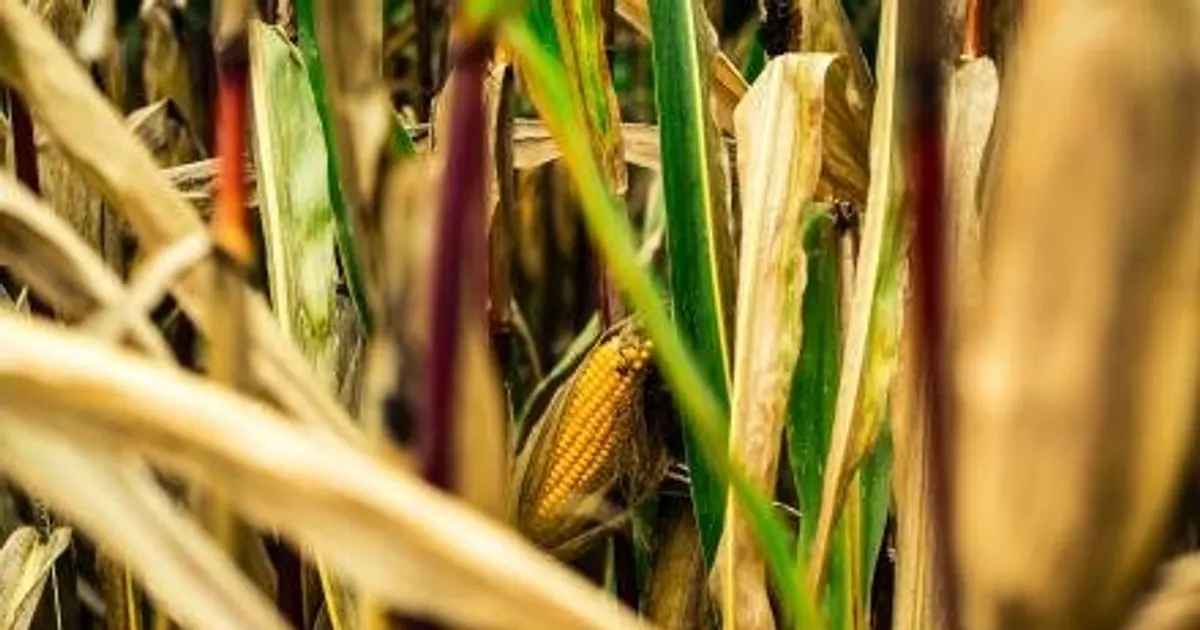
A study published this month in Nature Food by Stanford researchers including David Lobell examines how U.S. maize yields respond to drought. It finds that current yield-gain strategies work best in ideal weather and are increasingly sensitive to worsening drought.
Yield sensitivity to water storage in the Corn Belt has risen 55% since 1999.
Rising drought sensitivity raises the cost of maintaining yields under climate stress, a long-run supply risk for corn and the feed grains built on it. It is a research finding rather than a near-term supply shock, so the direct price effect is limited.
 nasaharvest.orgWritten By NASA Harvest26 พ.ย. 2563
หลัง 1,465 เหตุการณ์สภาพอากาศที่ขาขึ้นในอดีต ข้าวโพด เคลื่อนไหวเฉลี่ย +0.2% ใน 5 วันทำการ (54% สูงขึ้น; ช่วงกลาง -1.4% ถึง +1.9%) และ +0.9% ใน 20 วัน.
การเคลื่อนไหวของราคาอ้างอิงของแต่ละสินค้านับจากการปิดตลาดครั้งสุดท้ายก่อนเหตุการณ์ ข้อมูลย้อนหลังรวมเหตุการณ์ชนิดเดียวกันในอดีต ซึ่งบอกสิ่งที่เกิดขึ้น ไม่ได้บอกสิ่งที่จะเกิด ไม่ใช่คำแนะนำการลงทุน
