กำลังโหลด…
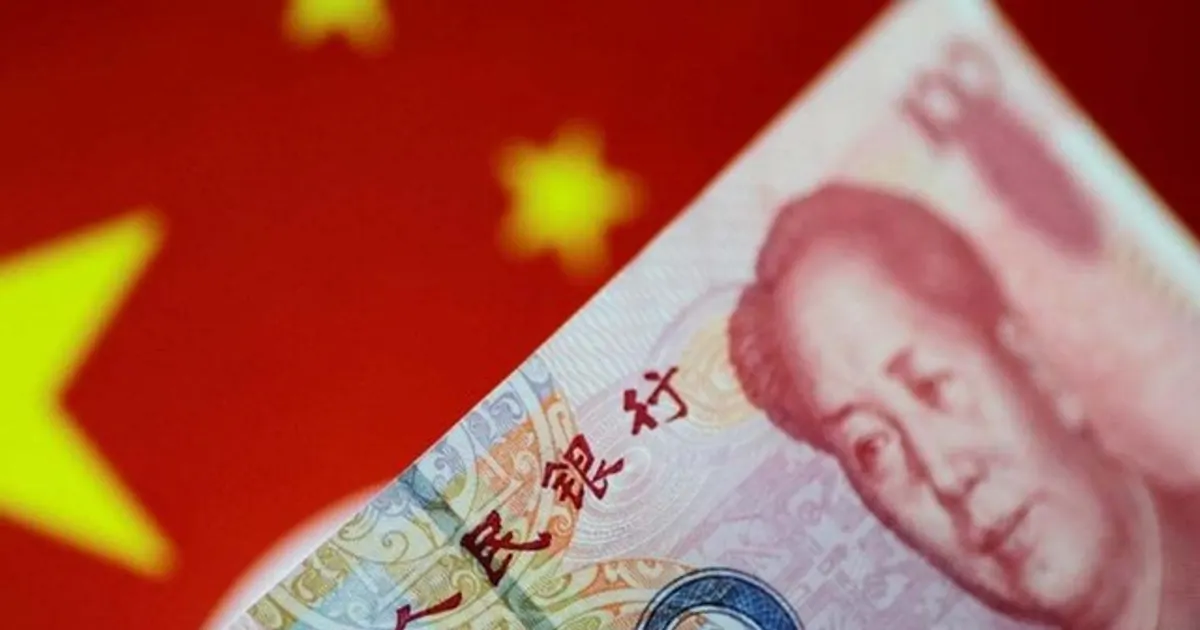
China's yuan slipped against the dollar on August 31 and was set for a third straight monthly decline. August official PMI data showed factory activity expanding more slowly, while the services sector contracted.
Traders are watching the pace of Federal Reserve tapering and upcoming US jobs data.
Weaker Chinese growth signals softer import demand, and a weaker yuan raises the cost of dollar-priced imports for China. Expected policy easing could support Chinese domestic feed demand, but the currency move adds uncertainty to feed import costs.
 brecorder.comReuters31 ส.ค. 2564
หลัง 398 เหตุการณ์มหภาคที่ขาขึ้นในอดีต หยวนจีน (CNY ต่อ USD) เคลื่อนไหวเฉลี่ย +0.0% ใน 5 วันทำการ (56% สูงขึ้น; ช่วงกลาง -0.3% ถึง +0.5%) และ +0.0% ใน 20 วัน.
การเคลื่อนไหวของราคาอ้างอิงของแต่ละสินค้านับจากการปิดตลาดครั้งสุดท้ายก่อนเหตุการณ์ ข้อมูลย้อนหลังรวมเหตุการณ์ชนิดเดียวกันในอดีต ซึ่งบอกสิ่งที่เกิดขึ้น ไม่ได้บอกสิ่งที่จะเกิด ไม่ใช่คำแนะนำการลงทุน
