กำลังโหลด…
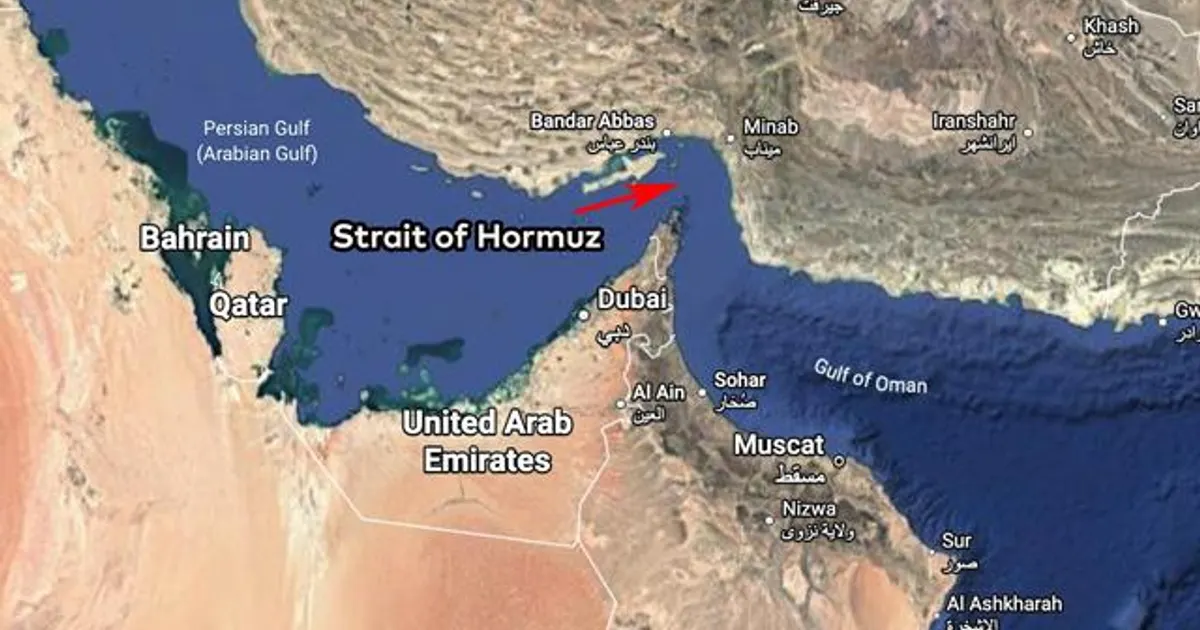
US air strikes on Iran and Tehran's retaliation raised concerns about diesel and nitrogen costs for spring planting. Shipping companies suspended Strait of Hormuz operations, while front-month corn, soybean and wheat futures fell on profit-taking as oil and diesel rose.
Higher diesel and fertilizer costs squeeze farm margins and raise future feed-grain production costs, while the near-term grain futures decline reflects profit-taking rather than a supply change.
 dtnpf.comChris Clayton2 มี.ค. 2569
หลัง 250 เหตุการณ์ภูมิรัฐศาสตร์ที่ขาขึ้นในอดีต ULSD / ดีเซล เคลื่อนไหวเฉลี่ย +1.7% ใน 5 วันทำการ (58% สูงขึ้น; ช่วงกลาง -3.6% ถึง +8.7%) และ +0.9% ใน 20 วัน.
หลัง 205 เหตุการณ์ภูมิรัฐศาสตร์ที่ขาขึ้นในอดีต ยูเรีย เคลื่อนไหวเฉลี่ย +0.4% ใน 5 วันทำการ (53% สูงขึ้น; ช่วงกลาง -2.1% ถึง +3.0%) และ -0.4% ใน 20 วัน.
หลัง 626 เหตุการณ์ภูมิรัฐศาสตร์ที่ขาขึ้นในอดีต น้ำมันดิบ (WTI) เคลื่อนไหวเฉลี่ย +2.1% ใน 5 วันทำการ (62% สูงขึ้น; ช่วงกลาง -2.3% ถึง +8.5%) และ +1.6% ใน 20 วัน.
หลัง 87 เหตุการณ์ภูมิรัฐศาสตร์ที่ขาลงในอดีต ข้าวโพด เคลื่อนไหวเฉลี่ย +0.1% ใน 5 วันทำการ (51% สูงขึ้น; ช่วงกลาง -1.5% ถึง +2.1%) และ +0.3% ใน 20 วัน.
การเคลื่อนไหวของราคาอ้างอิงของแต่ละสินค้านับจากการปิดตลาดครั้งสุดท้ายก่อนเหตุการณ์ ข้อมูลย้อนหลังรวมเหตุการณ์ชนิดเดียวกันในอดีต ซึ่งบอกสิ่งที่เกิดขึ้น ไม่ได้บอกสิ่งที่จะเกิด ไม่ใช่คำแนะนำการลงทุน
March 2 coverage of shipping suspensions through Hormuz and rising diesel and nitrogen input cost concerns supports the supply-risk narrative, though it is less price-specific.
Suspension of Hormuz shipping and higher diesel and nitrogen input costs ahead of planting supported urea buying and prices.
