กำลังโหลด…
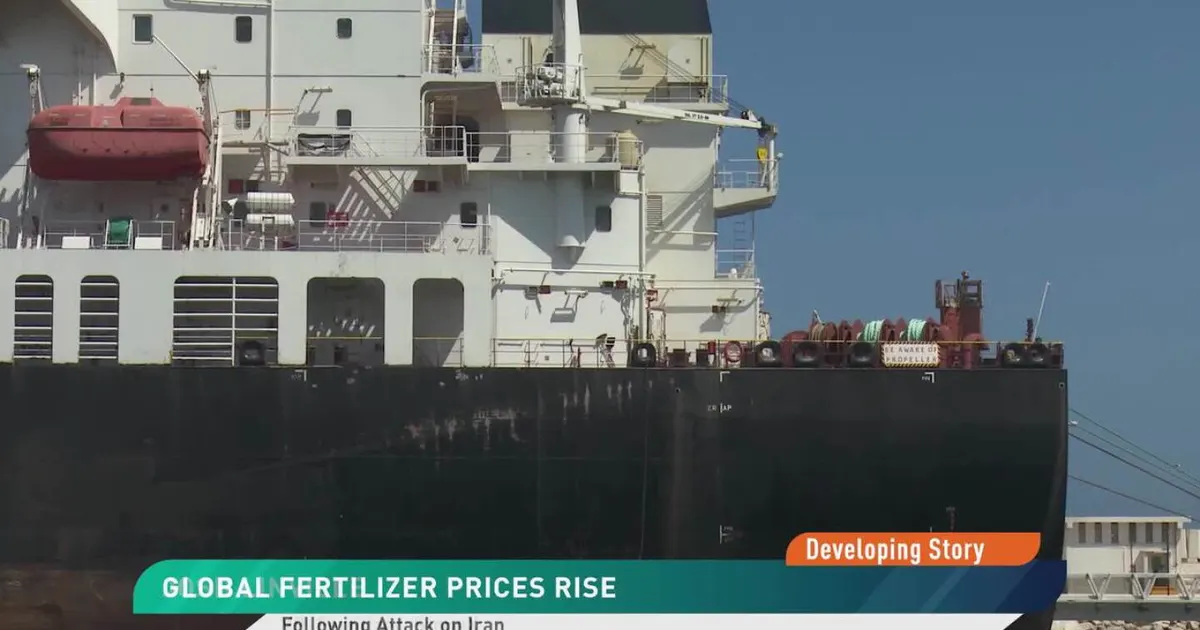
The joint US and Israeli attack on Iran rippled through global fertilizer markets, with the Strait of Hormuz, which handles about 25% of traded nitrogen fertilizer, facing potential closure. President Trump said the DFC would offer political risk insurance for maritime trade and that the US Navy could escort tankers if necessary.
Potential disruption to a major nitrogen export route, plus crude oil rallying, supports higher fertilizer and energy costs that feed into feed-grain production expenses.
 agweb.com3 มี.ค. 2569
หลัง 205 เหตุการณ์ภูมิรัฐศาสตร์ที่ขาขึ้นในอดีต ยูเรีย เคลื่อนไหวเฉลี่ย +0.4% ใน 5 วันทำการ (53% สูงขึ้น; ช่วงกลาง -2.1% ถึง +3.0%) และ -0.4% ใน 20 วัน.
หลัง 626 เหตุการณ์ภูมิรัฐศาสตร์ที่ขาขึ้นในอดีต น้ำมันดิบ (WTI) เคลื่อนไหวเฉลี่ย +2.1% ใน 5 วันทำการ (62% สูงขึ้น; ช่วงกลาง -2.3% ถึง +8.5%) และ +1.6% ใน 20 วัน.
หลัง 656 เหตุการณ์ภูมิรัฐศาสตร์ที่ขาขึ้นในอดีต น้ำมันดิบ (Brent) เคลื่อนไหวเฉลี่ย +1.9% ใน 5 วันทำการ (63% สูงขึ้น; ช่วงกลาง -2.7% ถึง +6.6%) และ +0.7% ใน 20 วัน.
ยังมีเหตุการณ์ในอดีตที่เทียบได้ไม่เพียงพอสำหรับการอ่านข้อมูลย้อนหลัง
การเคลื่อนไหวของราคาอ้างอิงของแต่ละสินค้านับจากการปิดตลาดครั้งสุดท้ายก่อนเหตุการณ์ ข้อมูลย้อนหลังรวมเหตุการณ์ชนิดเดียวกันในอดีต ซึ่งบอกสิ่งที่เกิดขึ้น ไม่ได้บอกสิ่งที่จะเกิด ไม่ใช่คำแนะนำการลงทุน
Potential Hormuz closure threatens about 25% of traded nitrogen, creating a supply-risk premium in urea.
Published March 3, after the move date, but describes the same Hormuz risk (about 25% of traded nitrogen) that likely drove pricing on March 2.
