กำลังโหลด…
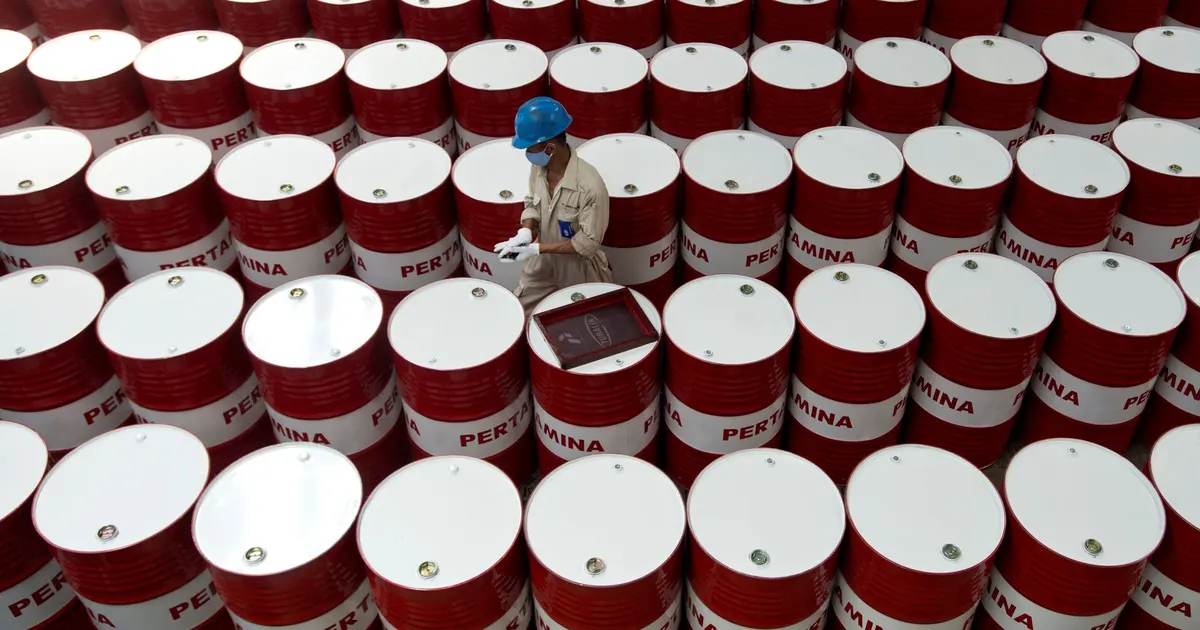
Oil prices rose above $110 a barrel in the week, reaching their highest since 2014, as Western sanctions tightened on Moscow over its invasion of Ukraine. The sanctions disrupted oil sales from Russia, the world's second-largest oil exporter.
OPEC+ decided to stick to its planned output increases.
Lost Russian barrels tighten global crude supply, pushing energy costs higher and raising grain and feed production costs through fuel, fertilizer and freight channels.
 reuters.comMaha El Dahan2 มี.ค. 2565
หลัง 656 เหตุการณ์ภูมิรัฐศาสตร์ที่ขาขึ้นในอดีต น้ำมันดิบ (Brent) เคลื่อนไหวเฉลี่ย +1.9% ใน 5 วันทำการ (63% สูงขึ้น; ช่วงกลาง -2.7% ถึง +6.6%) และ +0.7% ใน 20 วัน.
หลัง 626 เหตุการณ์ภูมิรัฐศาสตร์ที่ขาขึ้นในอดีต น้ำมันดิบ (WTI) เคลื่อนไหวเฉลี่ย +2.1% ใน 5 วันทำการ (62% สูงขึ้น; ช่วงกลาง -2.3% ถึง +8.5%) และ +1.6% ใน 20 วัน.
การเคลื่อนไหวของราคาอ้างอิงของแต่ละสินค้านับจากการปิดตลาดครั้งสุดท้ายก่อนเหตุการณ์ ข้อมูลย้อนหลังรวมเหตุการณ์ชนิดเดียวกันในอดีต ซึ่งบอกสิ่งที่เกิดขึ้น ไม่ได้บอกสิ่งที่จะเกิด ไม่ใช่คำแนะนำการลงทุน
OPEC+ stuck to planned output increases despite the sanctions, so no extra supply offset Russian disruption.
